



 By
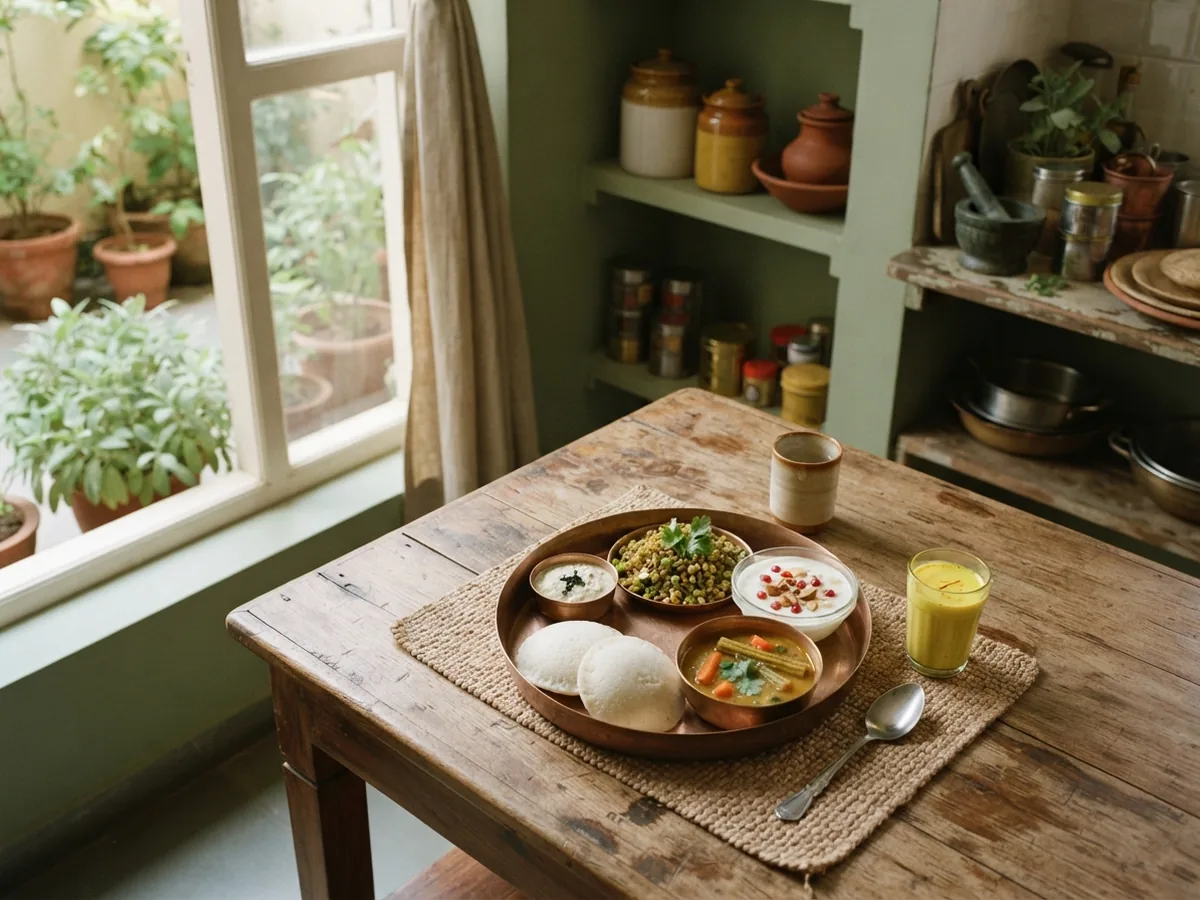

A balanced breakfast is a practical way to start your day. In an Indian kitchen, this means embracing wholesome staples like protein-rich dals, fiber-filled sabzis, freshly made rotis, or a warm bowl of porridge. Try starting your week by prepping a batch of vegetable-packed upma or soaking a handful of nuts and seeds the night before to add to your morning yogurt or porridge.
The Importance of a Balanced Breakfast During Pregnancy
During pregnancy, changes in metabolism lead to more efficient utilisation and absorption of nutrients1. Adequate intakes of energy, protein, vitamins and minerals are required to meet maternal and fetal needs1.
It is a common misconception that you must "eat for two." In reality, your energy needs are specific to your stage of pregnancy1. According to the ICMR-National Institute of Nutrition (2020), no additional calories are required during the first trimester, while an extra 350 kcal/day is recommended for the second and third trimesters2. Research suggests that dietary patterns emphasizing variety and diversity are key components of healthy eating during pregnancy3,4.
Key Nutrients to Focus On
Focusing on a variety of foods helps ensure you receive the essential nutrients needed during this time. Key nutrients of concern include iron, folate, calcium, choline, magnesium, protein, and fiber3.
- Iron and Folate: Strong evidence links these nutrients with outcomes such as neural tube defects and neurocognitive development in children3.
- Calcium and Vitamin D: These are identified as nutrients of concern during pregnancy and can be sourced from dairy or fortified plant-based beverages5,3.
- Protein: Protein is required to meet maternal and fetal needs1,3,5.
- Dietary Fiber: Found in whole grains, fruits, and vegetables, fiber is identified as a nutrient of concern during pregnancy5,3.
"A healthy eating plan for pregnancy includes nutrient-rich foods and beverages, such as fruits, vegetables, whole grains, and protein from healthy sources like beans, peas, eggs, and unsalted nuts and seeds5."
Practical Tips for Morning Wellness
Managing your morning routine can sometimes feel challenging, especially if you experience morning nausea or changes in appetite. If you find that your blood glucose levels are difficult to manage in the morning due to increased insulin resistance, consider splitting your breakfast into two smaller portions2. Splitting the morning meal has shown effectiveness in lowering post-breakfast glucose levels2.
Additionally, consuming healthy foods and low-calorie beverages, particularly water, may help you gain the proper amount of weight5. Remember, the goal is to achieve a healthy rate of weight gain as advised by your healthcare professional, which typically involves 1 to 4 pounds in the first 3 months and 2 to 4 pounds each month thereafter5.
Building a Balanced Plate: What to Include
A balanced plate should prioritize diversity. Research suggests that greater diet diversity is linked to improved microbial health and may influence allergy outcomes for children3. When building your breakfast, aim to include:
- Whole Grains: Opt for oatmeal, brown rice, or whole-grain breads, which provide fiber and essential B vitamins5.
- Vegetables and Fruits: These provide vital vitamins and fiber5. A healthy diet includes green and orange vegetables4.
- Lean Protein: Incorporate pulses, legumes, eggs, or lean meats to meet your protein requirements5,3.
- Healthy Fats: Use unsaturated vegetable oils and include nuts and seeds in your diet3.
It is best to limit foods high in saturated fat, cholesterol, and added sugars, as well as processed meats3.
Wholesome Breakfast Ideas from the Kitchen
Embracing a variety of Indian home-cooked meals is an excellent way to incorporate these nutrients. Here are some practical ideas:
- Vegetable-Loaded Semolina or Oats Upma: Use plenty of carrots, peas, and beans to increase your vegetable intake.
- Moong Dal Chilla: These are a fantastic source of plant-based protein and can be stuffed with grated paneer or finely chopped spinach.
- Sprouted Salad or Porridge: Sprouting pulses enhances their nutritional profile. A warm, cooked sprout salad with a squeeze of lemon is both refreshing and nourishing.
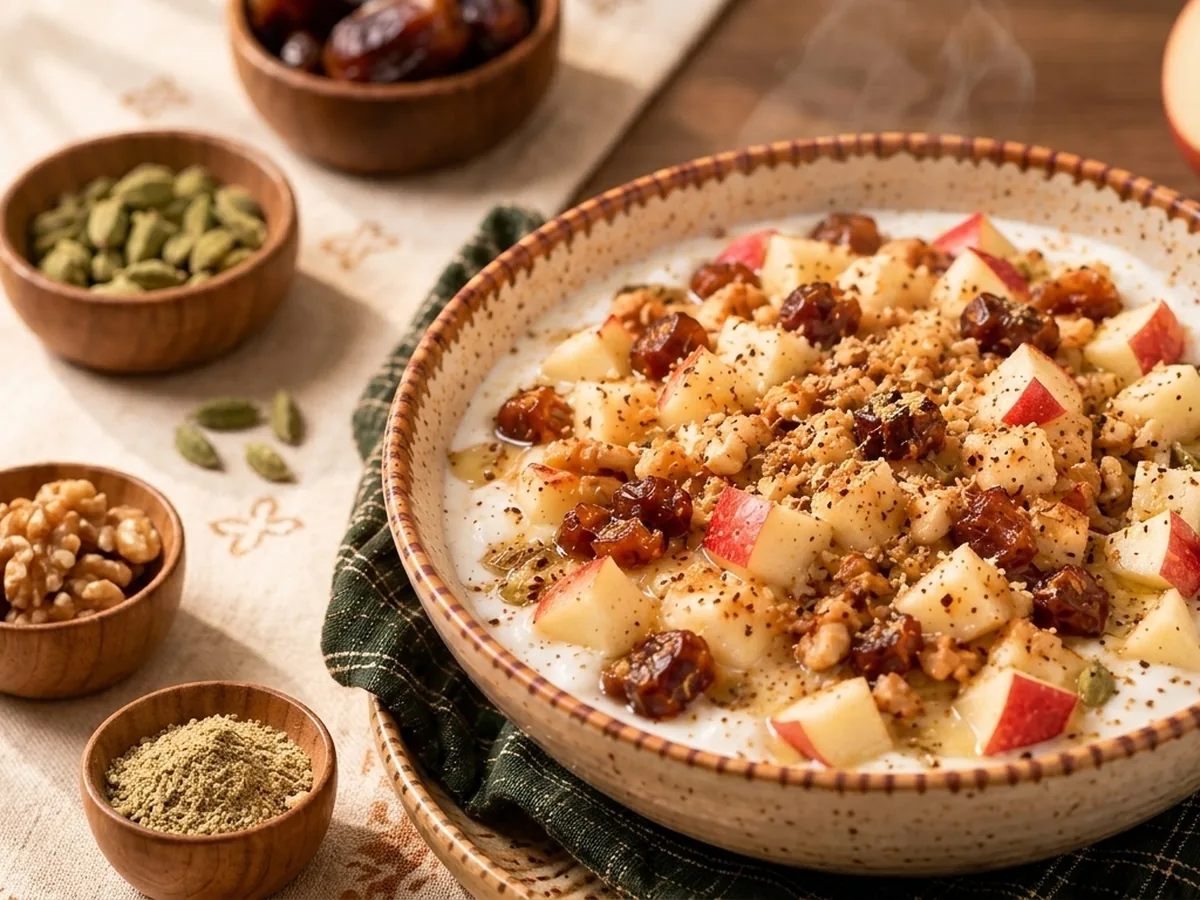
- Yogurt with Nuts and Seeds: A bowl of homemade yogurt (dahi) topped with a variety of unsalted nuts and seeds provides calcium, healthy fats, and protein5,3.
- Whole-Grain Parathas: Use whole-wheat flour and stuff them with seasonal vegetables like cauliflower or peas, using minimal oil.
When to Consult Your Healthcare Professional
Every pregnancy is unique, and your nutritional requirements depend on factors such as your pre-pregnancy weight, age, and health status5,2. It is essential to work closely with your doctor or a registered dietitian to set appropriate weight gain goals and plan any significant changes to your diet5.
If you have concerns about gestational diabetes or other health conditions, your healthcare team may provide a structured meal plan focused on controlled carbohydrate intake and nutrient-rich sources2. Always consult your healthcare professional before making any major adjustments to your prenatal diet, as they can provide guidance tailored specifically to your needs5. Consistent monitoring and open communication with your medical team are the best ways to ensure you and your baby are supported throughout your pregnancy journey2.
Sources
5
- Diet in Pregnancy: A Review of Current Challenges and Recommendations. A British Nutrition Foundation Briefing PaperUS National Institutes of Health, 2025
- Role of Medical Nutrition Therapy in Gestational Diabetes Mellitus: A ReviewJournal article, 2025
- Nutrition for Pregnant and Lactating Women: The Latest Recommendations From the Dietary Guidelines for Americans 2020-2025 and Practice ImplicationsUS National Institutes of Health, 2021
- Nutrition counselling during pregnancyWorld Health Organization
- Health Tips for Pregnant Women - NIDDKUS National Institutes of Health, 2026