


 By
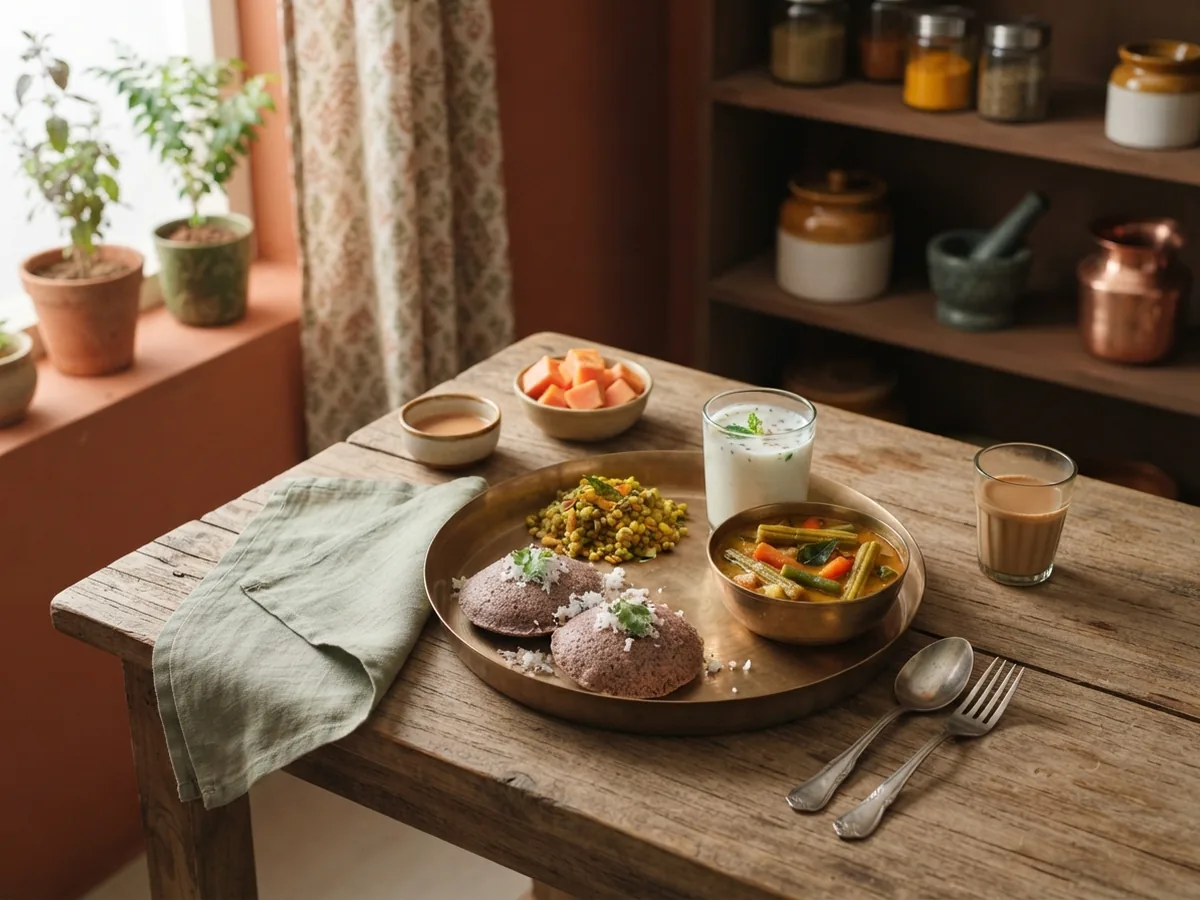

A balanced breakfast is a cornerstone of managing energy levels throughout the day, especially for those living with diabetes. By focusing on whole, unprocessed ingredients—such as including a portion of dal or legumes, adding a side of seasonal sabzi, or choosing fiber-rich grains like millets over refined ones—you can create a meal that supports your wellness goals. This week, try swapping your usual refined grain breakfast for a legume-based option or adding a serving of non-starchy vegetables to your morning plate.
Understanding the Importance of a Balanced Breakfast
For individuals living with diabetes, the first meal of the day plays a significant role in influencing the daily blood glucose profile1. In people with diabetes, consuming carbohydrates results in a rapid and large increase in blood glucose, particularly in the morning when glucose intolerance is highest2. While there is no single "optimal" ratio of macronutrients that works for everyone, research indicates that adjusting the composition of your breakfast can lead to meaningful improvements in postprandial (after-meal) blood glucose control1.
It is important to remember that there is no "one-size-fits-all" approach to nutrition. Medical nutrition therapy, guided by a registered dietitian, is considered a foundation for diabetes management, as it allows for an individualized plan that accounts for your specific medications, activity levels, and personal health goals3. Always consult your doctor or a registered dietitian before making significant changes to your meal plan.
Key Macronutrients for Sustained Energy
When planning your breakfast, the goal is to focus on the quality of your food rather than just restricting calories. Evidence suggests that there is no universal ideal percentage of calories that must come from carbohydrates, proteins, or fats; instead, your intake should be based on an individualized assessment of your current eating patterns and metabolic goals4.
However, certain strategies may be helpful to consider when planning your meals:
- Fiber is essential: Increasing your intake of dietary fiber—preferably through whole foods like vegetables, pulses, and intact grains—may help in modestly lowering HbA1c levels4. A minimum fiber intake of 14 grams per 1,000 calories is often recommended3.
- Prioritize low-glycemic index (GI) foods: Research suggests that legume-based breakfasts and those featuring low-GI ingredients are highly effective at reducing 2-hour postprandial blood glucose levels1.
- Protein’s role: Breakfasts supplemented with whey protein were most effective in improving HbA1c1.
- Quality over quantity: It is recommended to avoid added sugars and refined grains and to choose whole foods instead of ultra-processed foods3,4.
"Adjusting the macronutrient and dietary fiber composition of breakfast can significantly improve postprandial blood glucose control in people with diabetes."1
Practical Tips for Indian Breakfast Planning
Indian kitchens are naturally well-equipped to provide a variety of nutritious breakfast options. To build a balanced plate, consider these practical steps:
- Focus on non-starchy vegetables: Emphasize nonstarchy vegetables in your diet4.
- Choose whole grains: The preferred sources of carbohydrates are legumes, whole fruits and vegetables that contain unrefined carbohydrates and high fiber content5.
- Mindful substitutions: Replacing a rice-based breakfast item with a millet-based breakfast item lowers the postprandial blood glucose levels in T2DM patients6.
- Individualize your plate: Because your needs are unique, work with a professional to determine the right balance of carbohydrates, proteins, and healthy fats for your lifestyle5,4.
Incorporating Millets and Protein-Rich Ingredients
Millets are an excellent addition to the Indian breakfast rotation. Millets are a rich source of dietary fibre and non-starchy polysaccharides with low glycaemic index (GI)6. For example, studies have shown that a foxtail millet dosa can result in a more favorable postprandial glucose response compared to a traditional rice dosa6.
In addition to millets, legumes—such as moong dal, chana, or masoor dal—are fantastic sources of both fiber and protein. Research indicates that legume-based breakfasts can be an effective choice for supporting postprandial blood glucose control1.
Sample Breakfast Ideas for Your Routine
When designing your breakfast, aim for a combination of food groups that you enjoy and that fit your cultural preferences. Here are a few ways to structure your morning meal:
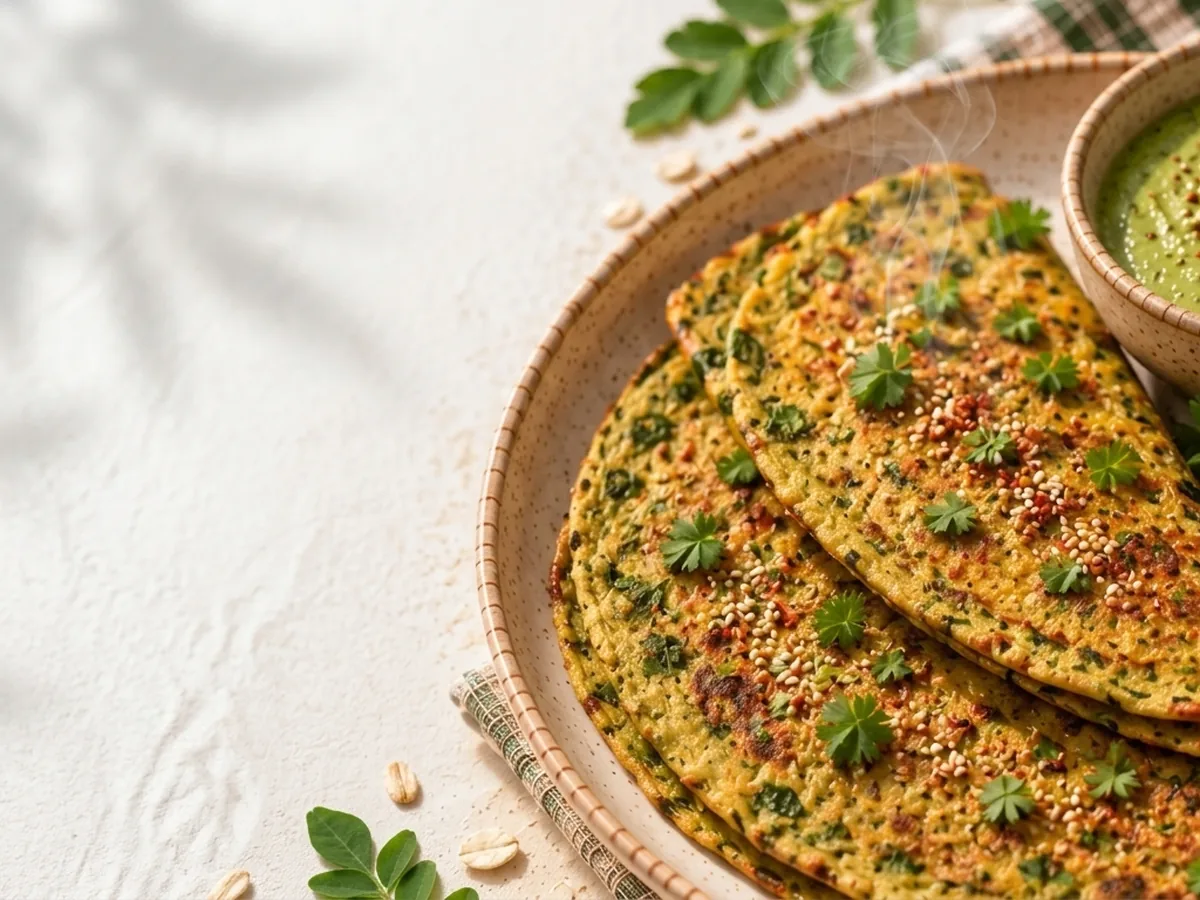
- The Legume-Forward Plate: A moong dal chilla (savory pancake) stuffed with finely chopped spinach and onions. Serve with a side of mint-coriander chutney. The combination of legumes and greens provides both protein and fiber.
- The Millet Upgrade: Swap your regular rice-based idli or dosa batter for one made with foxtail millet or ragi. Research suggests that replacing rice-based breakfast items with millet-based options may support blood glucose management6.
- The Protein-Rich Bowl: A bowl of warm, sprouted moong salad tossed with cucumber, tomato, and a squeeze of lemon. This is a simple, no-cook option that is high in fiber and plant-based protein.
- Vegetable-Heavy Upma: Prepare a traditional upma using broken wheat or a millet base, but increase the ratio of vegetables—such as peas, beans, and carrots—to grain. This ensures you are getting a high volume of non-starchy vegetables in your first meal4.
Remember, the goal is to create a sustainable pattern of eating that you can maintain long-term. By focusing on whole foods, increasing fiber, and choosing low-GI ingredients, you are taking a positive step toward nourishing your body and managing your energy levels effectively. Always keep your healthcare team informed of your dietary changes to ensure they align with your overall health management plan.
Sources
6
- Effects of breakfast macronutrient composition on postprandial glycemic control in patients with diabetes mellitus: a systematic review and meta-analysis of randomized controlled trialsUS National Institutes of Health, 2026
- Impact of a Low-Carbohydrate Compared with Low-Fat Breakfast on Blood Glucose Control in Type 2 Diabetes: A Randomized TrialUS National Institutes of Health
- Dietary and Nutritional Guidelines for People with DiabetesUS National Institutes of Health, 2023
- Nutrition Therapy for Adults With Diabetes or Prediabetes: A Consensus ReportUS National Institutes of Health, 2019
- Insights on Medical Nutrition Therapy for Type 2 Diabetes Mellitus: An Indian PerspectiveUS National Institutes of Health, 2019
- Postprandial glycaemic response of foxtail millet dosa in comparison to a rice dosa in patients with type 2 diabetes - PMCUS National Institutes of Health