



 By
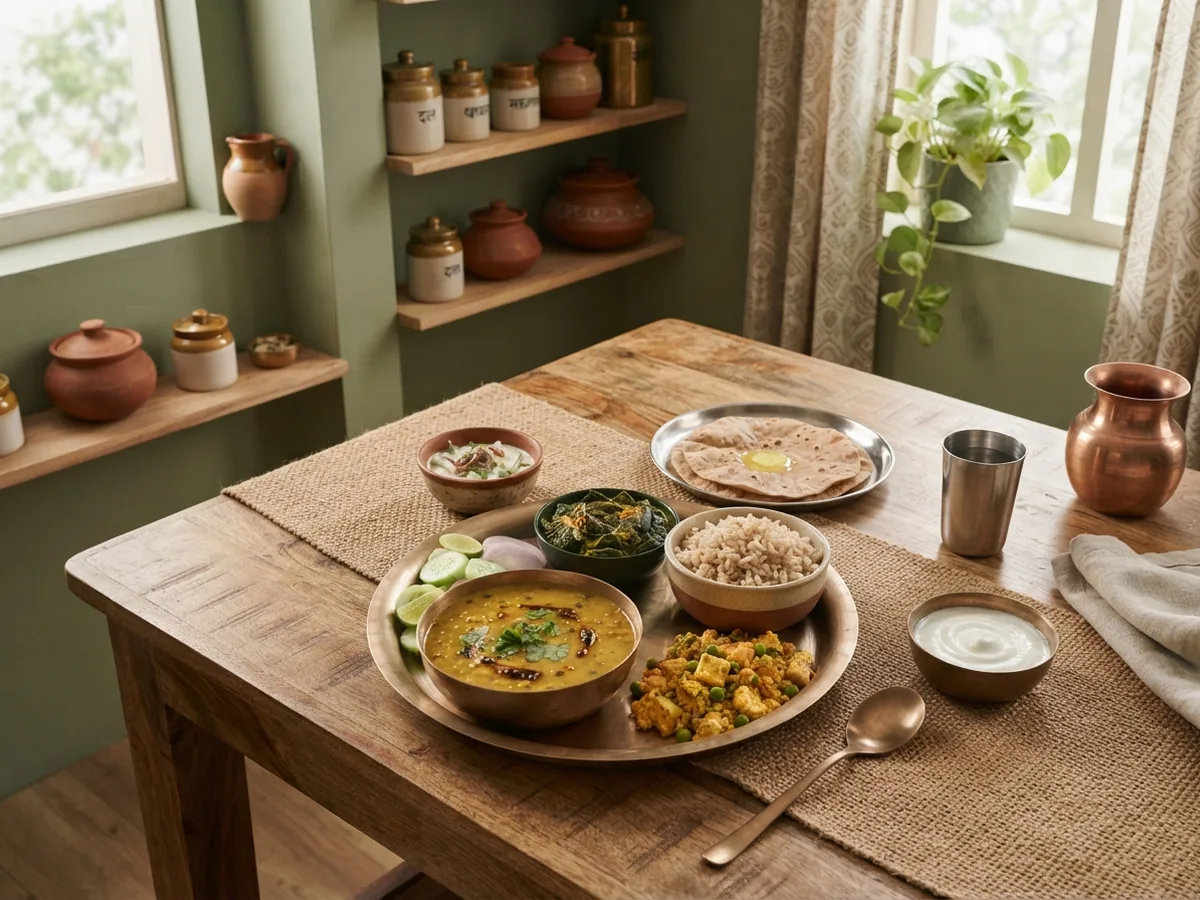

Building muscle through an Indian diet is about returning to the rhythm of our traditional kitchens. By combining staples like dal-chawal or sabzi-roti with thoughtful additions like curd, nuts, and lentils, you can easily provide your body with the building blocks it needs. To start this week, try pairing your cereals with pulses in a 3:1 ratio to improve protein quality and ensure you include a source of protein like milk, curd, or legumes in every main meal1.
Understanding the Basics of Muscle Support
Maintaining good muscle mass is essential for overall health and vitality1. When we talk about supporting muscle growth, we are looking at a process that requires both "good quality protein"—which provides all the essential amino acids (EAA)—and a consistent resistance exercise routine1.
It is a common misconception that you need expensive powders to see results. The ICMR-National Institute of Nutrition (NIN) states that most athletes can get the recommended amount of protein through appropriate selection of food items, making protein supplements unnecessary for a normal healthy life1. Furthermore, indiscriminate use of excess protein as supplements for prolonged periods can affect health1. Instead, focus on a balanced diet, which the ICMR-NIN defines as a wholesome, nutritionally adequate way of eating that provides the variety of nutrients needed for growth, immune function, and maintaining health2.
The Role of Traditional Indian Proteins
Lysine intake in India is often low due to the consumption of cereals as a staple diet3. Because cereal-based diets are often naturally lower in this specific amino acid, combining cereals with pulses in the ratio of 3:1 will improve the quality of protein in a meal1.
- The Cereal-Pulse Synergy: Combining cereals with pulses in a 3:1 ratio significantly improves the quality of protein in a meal1. Think of a bowl of dal with chawal or a besan chilla served with a side of whole-grain roti.
- The Power of Dairy: Milk and its derivatives are excellent additions. Research has shown that supplementing diets with milk and milk products can help fill the gap in lysine intake, which may lead to a significant increase in skeletal muscle mass and a reduction in body fat3.
- Plant-Based Staples: Vegetarians can meet their quality protein needs by taking recommended levels of pulses, beans, peas & milk/curd1.
- Traditional Ingredients: Traditional foods such as green gram, dried grapes, turmeric, cow milk, finger millet, spinach, and almonds have been associated with improved muscle strength and physical performance4.
Balancing Your Plate for Strength
A balanced diet is not just about protein; it is about the "judicious choice and combination" of different food groups2. To support your body, your daily energy intake should ideally be distributed as 50%–55% from carbohydrates, 10%–15% from proteins, and 20%–30% from dietary fats2.
"A balanced diet can be achieved by eating diverse foods since there is no single food item with all the essential nutrients2. Variety from wholesome foods is the key to achieve nutrient adequacy."2
To build your plate, follow these simple guidelines:
- Prioritize Whole Grains: Ensure at least 50% of your cereals are whole grains (minimally polished) to provide adequate fiber and nutrients2.
- Vegetable Variety: Include non-starchy, fresh, and green leafy vegetables in every single meal2. These provide the micronutrients necessary for your body to function optimally.
- Mind the Fats: While fats are necessary, limit the use of high saturated-fat oils like ghee and butter, and aim to restrict total cooking oils to 25g to 30g per day1,2.
- Sunlight and Micronutrients: Exposure to sunlight for obtaining vitamin D is also recommended2.
Practical Tips for Consistent Nutrition
Consistency is the secret ingredient to any wellness journey. Instead of focusing on temporary fixes, aim to build habits that last.
- Avoid Ultra-Processed Foods: Limit foods high in fat, sugar, and salt (HFSS)2. These often provide "empty" calories without the nutrients your body needs.
- Master Your Meal Frequency: Try to restrict your meal frequency to two or three main meals a day and avoid snacking in between2. This is a helpful approach to maintaining a balanced diet.
- Stay Active: Nutrition works best when paired with movement. Develop healthy eating habits alongside a regular exercise routine to avoid a sedentary lifestyle1. Even simple, low-to-moderate intensity calisthenic exercises can be highly effective when combined with a nutrient-dense diet to optimize body composition5.
- Hydration and Beverages: Choose healthy beverages and avoid drinks with added sugars2.
Planning Your Meals and Progress
Planning your progress doesn't mean obsessing over numbers. It means ensuring your kitchen is stocked with the right variety. Start by diversifying your staples—incorporate millets alongside your usual rice or wheat2. Ensure that every lunch and dinner features a protein source (like dal, rajma, chole, eggs, or lean meat), a colorful vegetable sabzi, and a source of fiber like a katori of salad1,2.
If you are living with a specific health condition, it is essential to plan any significant changes to your diet or exercise routine with your doctor or a registered dietitian. They can help you tailor these general principles to your unique physiological status, age, and activity level, ensuring that your journey toward muscle support is both safe and sustainable1,2.
Remember, your body thrives on the variety provided by nature. By choosing locally available vegetables, seasonal fruits, and traditional protein sources, you are not just eating for muscle; you are eating for long-term health. Keep your meals simple, focus on whole foods, and stay consistent with your movement—your body will thank you for it.
Sources
5
- DGI Booklet Eng (Republic Day)ICMR-National Institute of Nutrition
- DIETARY GUIDELINES FOR INDIANSICMR-National Institute of Nutrition
- Effect of Milk or Milk Derived Food Supplementation on Body Composition of Young Indian WomenJournal article, 2023
- Efficacy of traditional Indian diet (Ayush ahara) on muscle strength and Sarcopenia: A scoping reviewUS National Institutes of Health, 2026
- The Effect of 8‐Week Protein Supplementation with a Simple Exercise Program on Body Composition, Muscle Strength, and Amino Acid OMICS among Healthy Sedentary Indians: A Randomized, Double‐Blind, PlacJournal article, 2024