Why Protein Matters in a Vegetarian Diet
Most Indian vegetarian plates run low on protein. Here's how to close the gap with dal, paneer, curd and a few smart swaps.
 By Idyora Team 18 Sept 2026 5 min read
The quiet protein gap
A typical vegetarian day — poha, dal-chawal, a roti-sabzi dinner — often lands well under the protein most adults need. That shows up as mid-afternoon hunger, slower recovery after workouts and cravings that feel like willpower problems.
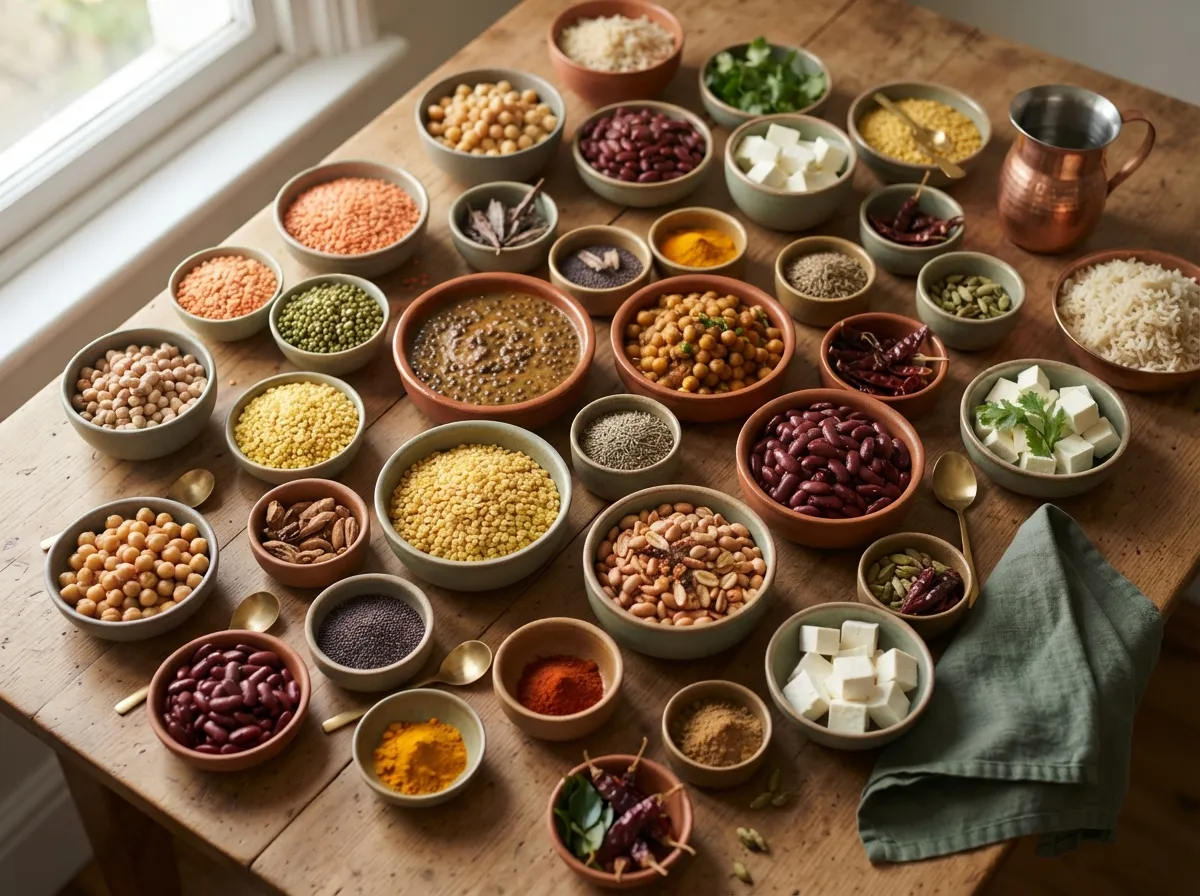
Build every plate around a protein anchor
Start with one anchor per meal, then add the rest:
- Breakfast: besan chilla, moong dosa, or curd with oats and seeds
- Lunch: a full katori of dal or rajma, plus a side of curd
- Dinner: paneer, tofu or chana alongside your sabzi
Combine for quality
Grains and pulses complement each other. Dal with rice or roti gives a more complete amino-acid profile than either alone — the classic thali already knows this.
Small swaps that add up
Swap one namkeen snack for roasted chana or makhana. Add a spoon of peanuts to poha. Stir hung curd into your raita. None of these feel like a diet, and together they add 15–20 g a day.
Protein isn't about eating more — it's about arranging the plate you already love a little differently.