A Balanced Approach to Weight Management: Your Indian Diet Plan
Discover how to structure your daily meals using traditional Indian staples to support your weight management goals through a balanced, sustainable approach.
 By IDYORA Nutrition Desk 5 Oct 2026 6 min read
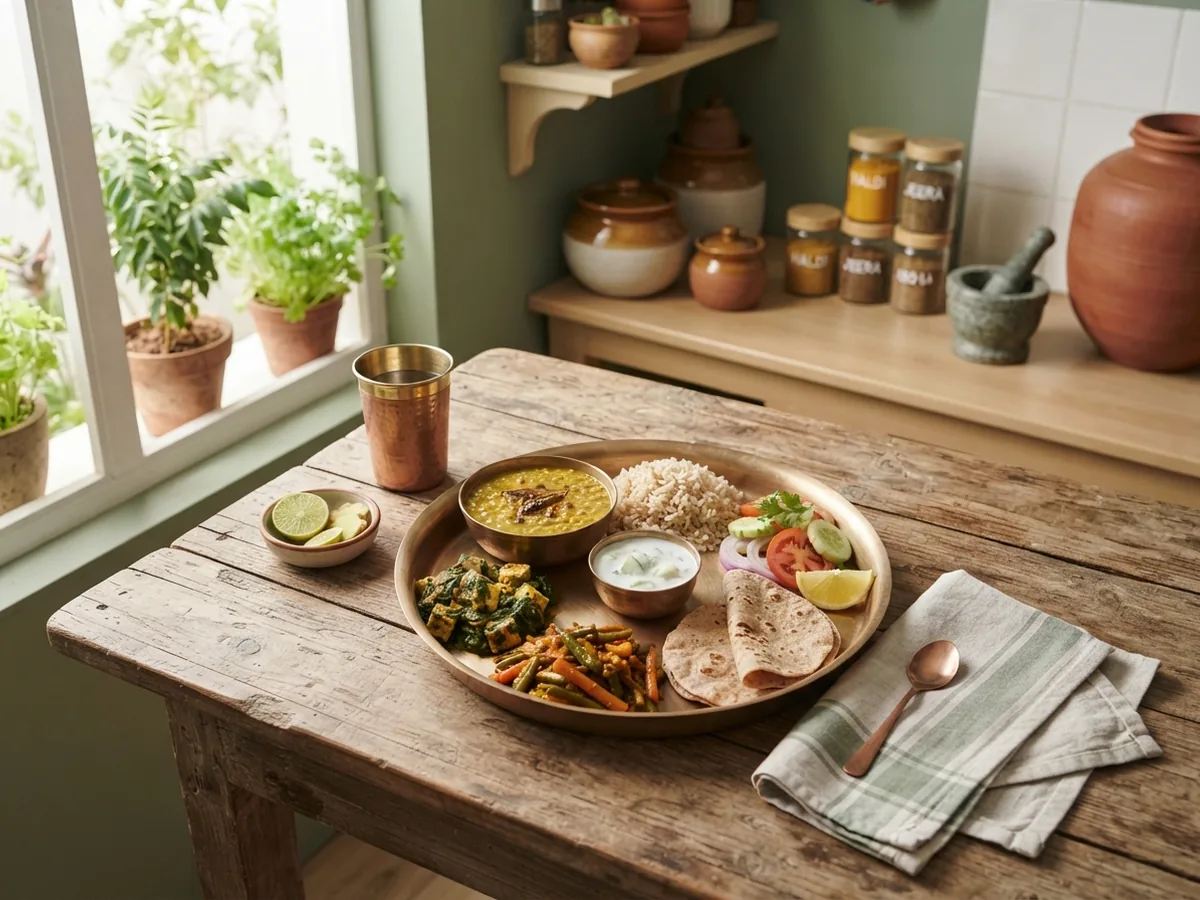
Achieving your weight management goals doesn't require abandoning the meals you love; rather, it is about balancing your plate with the traditional staples already found in your kitchen. By focusing on increasing your intake of green leafy vegetables, choosing whole grains over refined ones, and ensuring each meal includes a quality source of protein like dal or sprouts, you can create a sustainable, nourishing routine. To start this week, try swapping one refined grain meal for a whole-grain alternative and aim to fill half your plate with vegetables at lunch and dinner.
Understanding Balanced Nutrition the Indian Way
The foundation of a healthy, sustainable diet lies in variety and moderation. According to the 2024 guidelines from the National Institute of Nutrition (NIN) and the Indian Council of Medical Research (ICMR), a balanced approach is essential for addressing the country’s changing nutritional landscape1. Rather than restrictive dieting, the goal is to integrate scientific evidence into our daily habits.
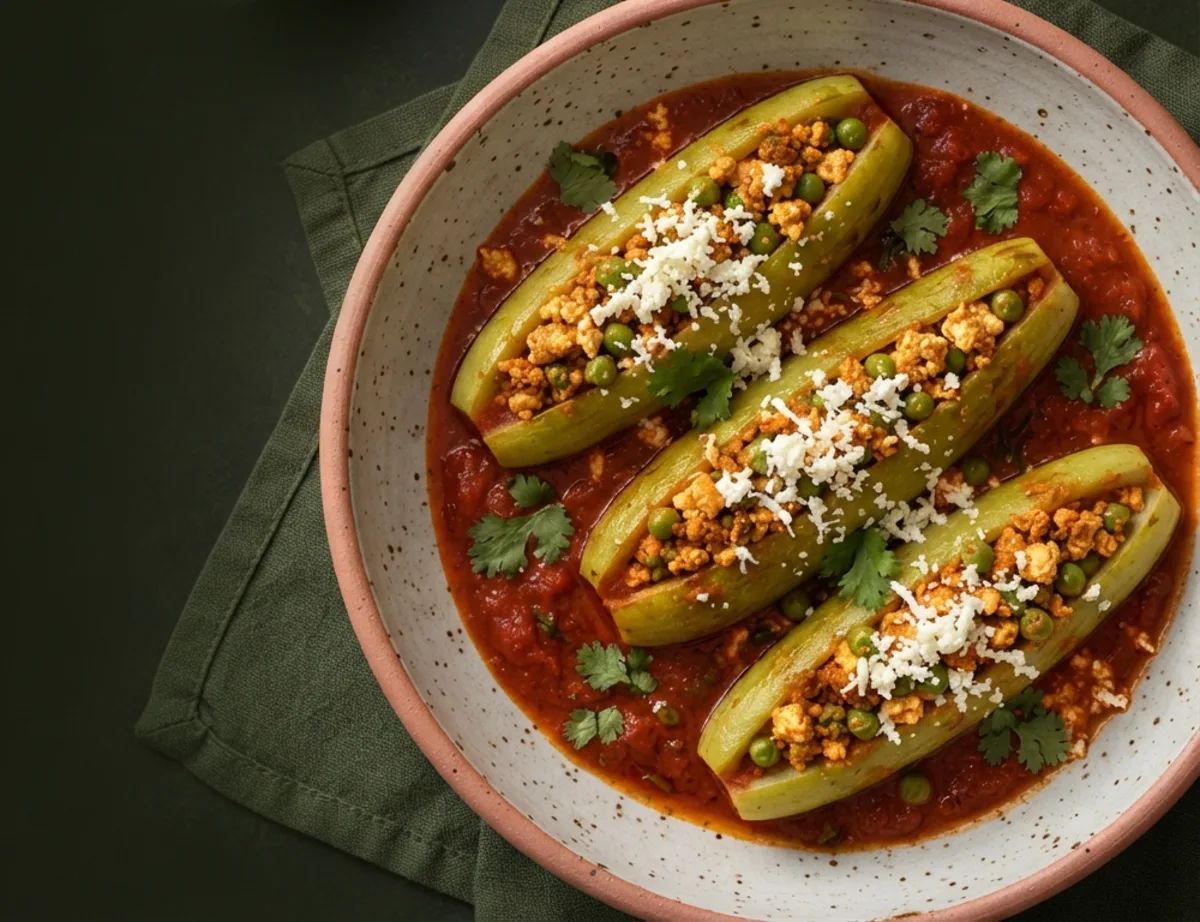
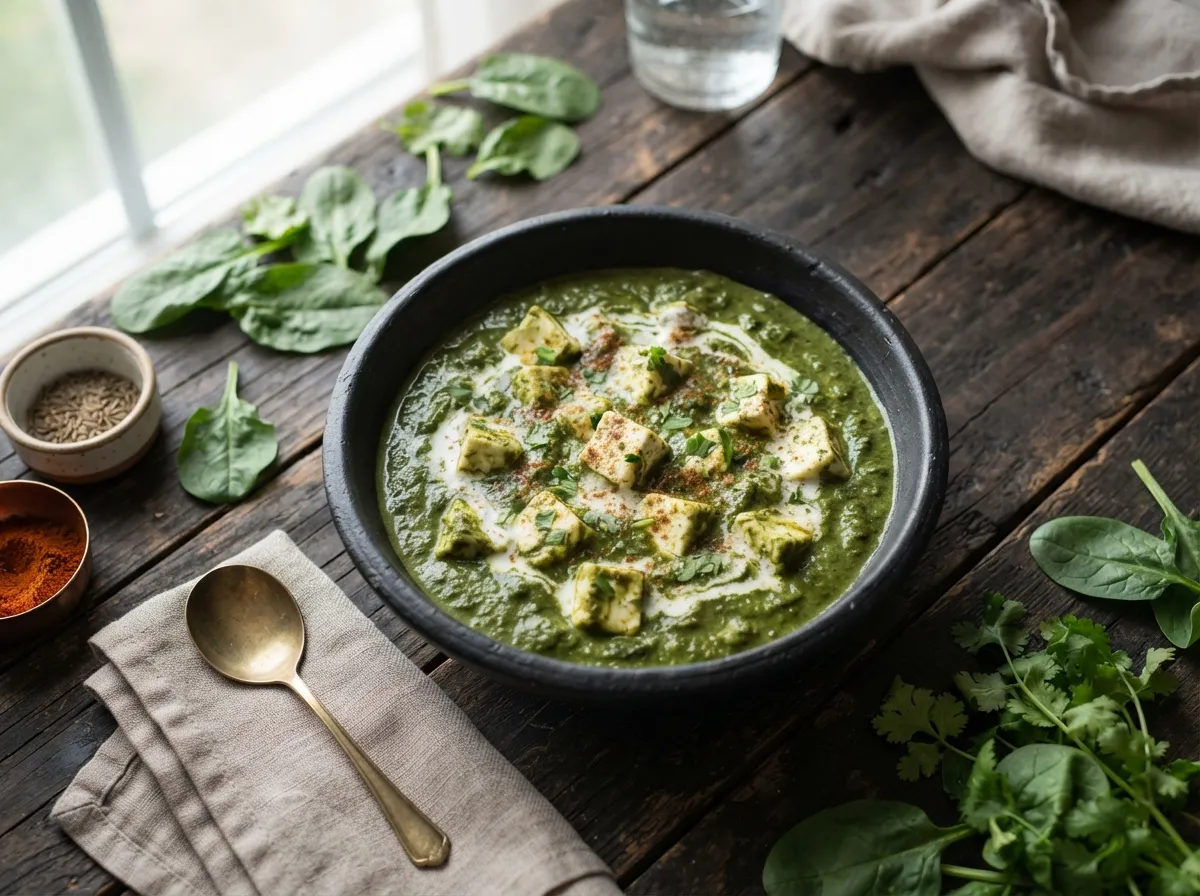
The 2024 NIN-ICMR guidelines emphasize a significant increase in vegetable intake, recommending up to 400 g per day, with a specific focus on doubling your daily intake of green leafy vegetables to 100 g to enhance iron, folate, and vitamin A consumption1. Furthermore, the guidelines suggest that at least 50% of your cereal intake should come from whole grains rather than refined ones1. By prioritizing these nutrient-dense foods, you provide your body with the 25–30 g of dietary fiber it needs daily to support digestive health1. If you are living with a specific health condition, please plan any changes to your diet with your doctor or a registered dietitian to ensure your plan is safe and tailored to your needs.
The Role of Portion Control and Mindful Eating
Managing portion sizes is a cornerstone of effective weight management. Clinical practice guidelines for managing obesity in India suggest that a hypo-caloric diet—where you consume fewer calories than you expend—combined with reduced portion sizes, is a recommended strategy2.
One practical tool to achieve this is the "plate model," which helps you visualize the balance of macronutrients on your plate2. A balanced plate should generally aim for a distribution where carbohydrates make up about 50%–60% of your intake, with a strong preference for complex, low-glycemic index carbohydrates2. To support your goals, try to reduce your current carbohydrate intake by 10%–15% while ensuring you are getting adequate protein, as many traditional Indian diets often fall short of the daily recommended allowance2. Avoid overeating to support your weight management goals3.
Integrating Traditional Grains and Proteins
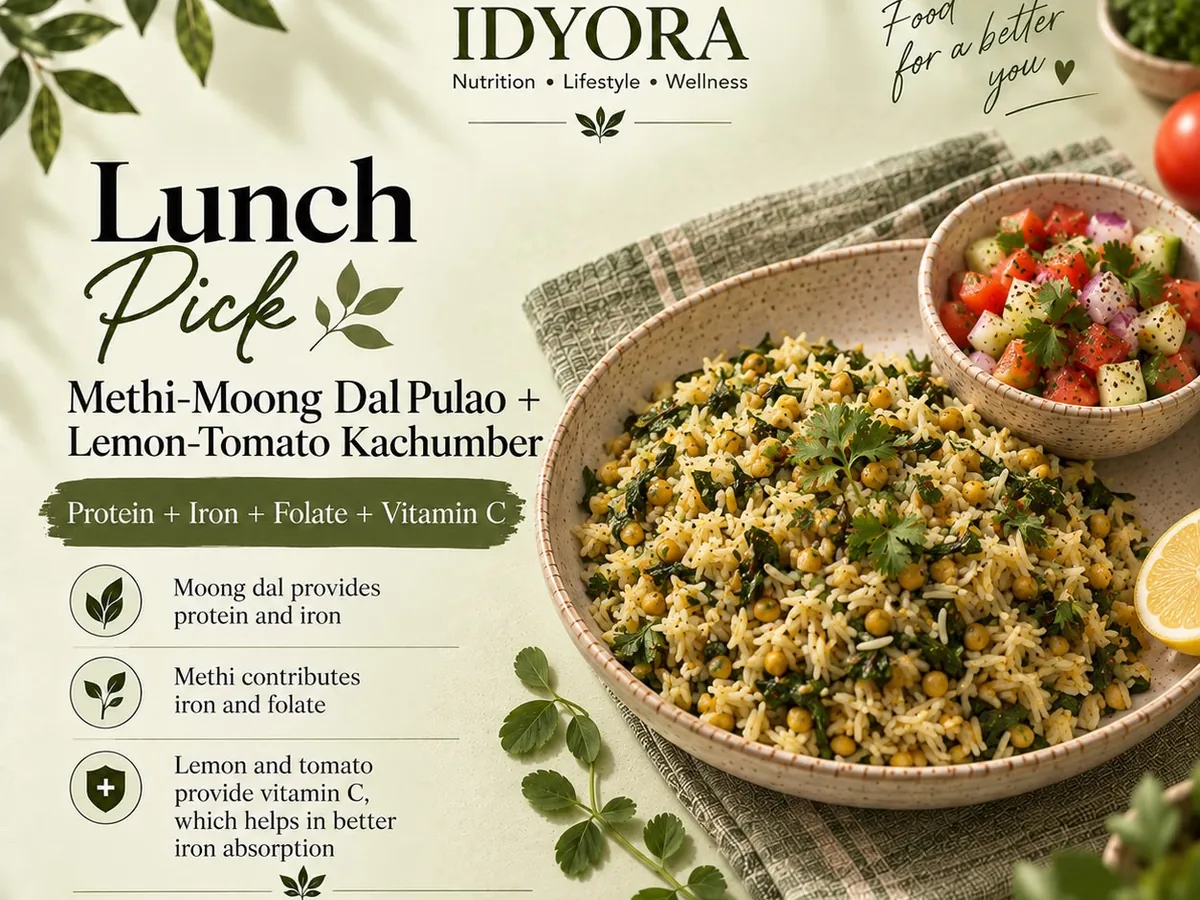
Protein is essential for building and repairing tissues, and it plays a vital role in any weight management plan4. Because many Indian diets are plant-forward, it is important to be intentional about your protein sources. Aim to include whole dals, paneer, milk, sprouts, or eggs as part of your daily meals4.
"A culturally adaptable lacto-vegetarian diet combined with a 14-hour time-restricted fasting regimen safely improves metabolic control and insulin sensitivity in women with Type 2 Diabetes, offering a practical, women-centric strategy."5
When selecting fats, quality matters as much as quantity. The NIN-ICMR guidelines advise keeping saturated fat intake below 7% of your total daily calories and avoiding trans-fats entirely1. You can incorporate healthy fats through a variety of oils—such as mustard, groundnut, or sesame—while keeping the use of ghee and butter moderate3,4.
Practical Tips for Sustainable Daily Habits
Sustainability is the key to long-term success. Weight management is a multidisciplinary process that requires lifestyle modifications, including consistent physical activity and behavioral changes6. It is important to move away from the "all-or-nothing" mentality and focus on habits you can maintain for the long haul.
- Hydration: Your fluid needs can vary based on your climate and activity levels; aim for 8–12 glasses of water daily to stay properly hydrated1.
- Salt Intake: To support cardiovascular health, try to keep your total daily salt intake below 5 g1. This includes being mindful of hidden sodium in processed snacks and packaged foods1,3.
- Added Sugars: The NIN-ICMR suggests a specific target of limiting added sugars to less than 5% of your total daily calories1.
- Activity: Regular physical activity is essential for maintaining an ideal body weight and should be a non-negotiable part of your weekly routine3.
If you are a postpartum woman, please be mindful that your nutritional needs are unique. While it is natural to prioritize your infant, your own health is equally important. Avoid the pressure of "doing the month" myths that encourage excessive calorie consumption, and instead focus on a balanced diet of low-fat dairy, pulses, and vegetables6.
Sample Meal Ideas for a Balanced Day
Structuring your day doesn't have to be complicated. A balanced approach uses traditional ingredients to keep you satisfied and energized.
- Breakfast: A bowl of vegetable-loaded oats or a moong dal chilla paired with a small serving of curd. This provides a mix of complex carbohydrates and protein.
- Lunch: Start with a large salad or a portion of green leafy vegetable sabzi. Follow this with one or two rotis made from whole-grain flour (like jowar or bajra) and a bowl of dal.
- Evening Snack: A handful of roasted chana or a small portion of sprouts instead of fried snacks.
- Dinner: Keep your evening meal lighter, perhaps a vegetable-rich soup or a stir-fry of seasonal vegetables with a small portion of dal or paneer.
By focusing on these proportions—filling half your plate with vegetables and ensuring a dedicated protein source is present—you create a meal structure that is both culturally familiar and nutritionally sound.
Consulting Professionals for Personalized Guidance
While general guidelines provide a great starting point, your body’s needs are unique. Factors such as your age, activity level, and medical history mean that a "one-size-fits-all" approach may not be the most effective4. Medical Nutrition Therapy (MNT) is a professional process that involves a nutritional assessment and personalized counseling provided by a trained healthcare provider or registered dietitian2.
If you are looking to lose weight, especially if you have a pre-existing condition, consulting a professional ensures that your diet plan is "appropriate, accurate, and affordable"2. They can help you navigate social-cultural barriers and create a plan that fits your specific lifestyle, ensuring that you receive the necessary micronutrients like vitamin B12, D, and iron, which are crucial for metabolism and muscle function4. Whether you are managing your health in the postpartum period or navigating life with a chronic condition, professional guidance provides the safety and structure needed to reach your wellness goals sustainably.
Sources
6
- Changes in Dietary Guidelines by National Institute of Nutrition (NIN) and ICMR: From 2011 to 2024 - PMCUS National Institutes of Health
- ESI Clinical Practice Guidelines for the Evaluation and Management of Obesity In India - PMCUS National Institutes of Health
- Food-based dietary guidelines - IndiaFAO
- Diet Plan for Weight Loss: Indian Diet Planexa.ai, 2021
- Effect of a lacto-vegetarian diet combined with 14-hour time-restricted eating on metabolic outcomes in women with Type 2 diabetes: a 24-week randomized controlled trial | Nutrition & DiabetesNature, 2026
- Evidence and consensus-based clinical practice guideline for the management of obesity and overweight in postpartum women: An AIIMS-DST initiativeUS National Institutes of Health