A Balanced Approach to Weight Management with Traditional Indian Meals
Learn how to structure traditional Indian meals for a balanced diet using practical, nutrient-focused guidance based on national dietary recommendations.
 By IDYORA Guides Desk 5 Oct 2026 5 min read
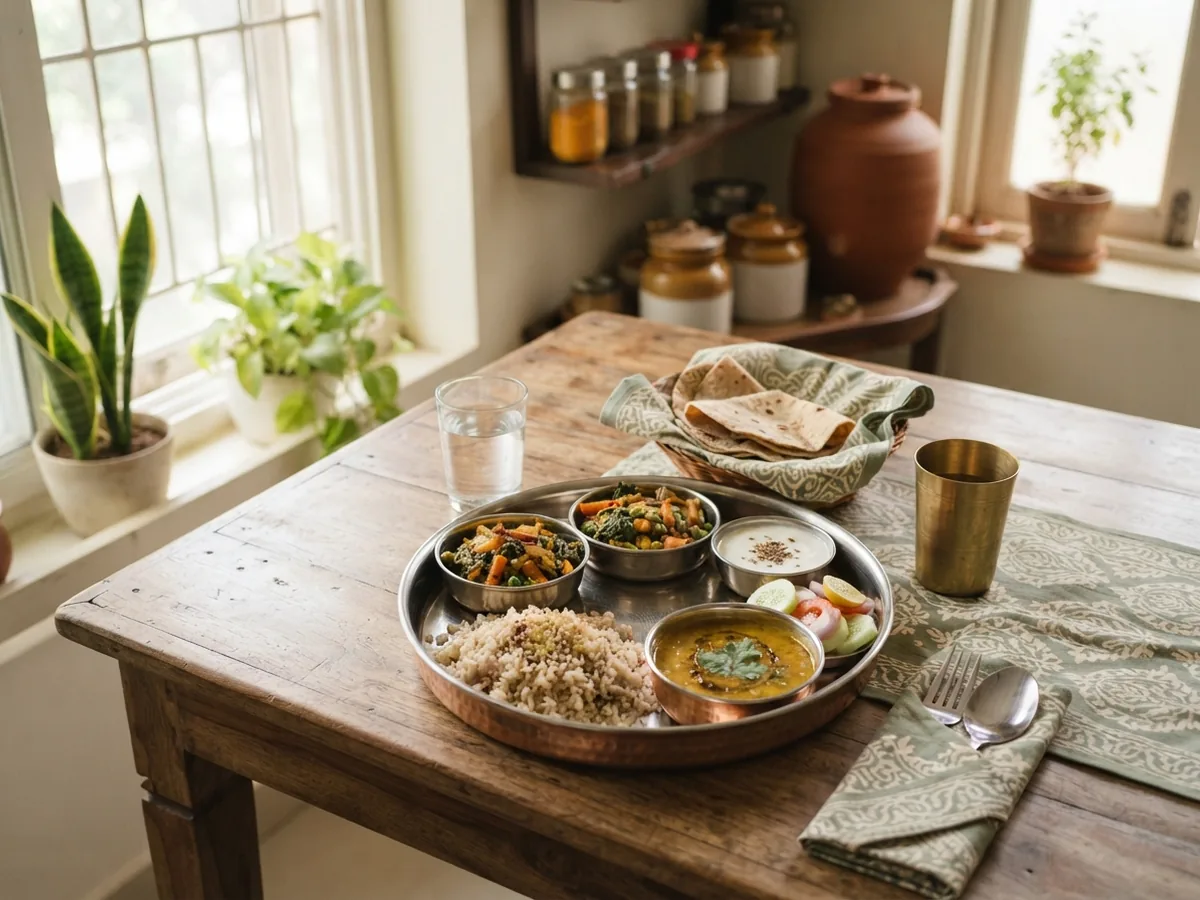
Achieving your wellness goals doesn't mean you have to give up the comforting, traditional Indian meals you love. By focusing on balanced portions of dals, sabzis, and whole grains, and being mindful of how you structure your plate, you can create a sustainable routine that supports your body’s needs. Try starting this week by simply increasing the portion of fiber-rich vegetables in your lunch and ensuring your dinner includes a consistent source of protein.
Understanding Weight Management in the Indian Context
Weight management is a deeply personal journey that requires a strategy tailored to your lifestyle, culture, and individual needs. In India, the shift from traditional, home-cooked meals to processed and ready-to-eat foods has significantly changed our dietary landscape1. The ICMR-National Institute of Nutrition (ICMR-NIN) emphasizes that maintaining an ideal body weight is closely linked to regular physical activity and a balanced diet2.
It is important to recognize that weight management strategies should be patient-centric and customized3. Medical Nutrition Therapy (MNT) is defined as a process and provision of nutritional assessment, counselling, advice, and follow-up for the management of obesity by a qualified health care provider3.
The Role of Balanced Portions and Fiber
One of the most practical ways to manage your weight is by using the "plate model" to control your portions3.
"A hypo-caloric diet with reduced portion size is recommended for people living with overweight or obesity3."
Fiber plays a role in a balanced diet. The official dietary guidelines for Indians recommend eating plenty of vegetables and fruits2. By filling a portion of your plate with seasonal sabzis and fresh salads, you can incorporate more variety into your meals. When structuring your meals, aim to keep your intake of highly processed foods—which are often high in sugar, salt, and unhealthy fats—to a minimum2.
Prioritizing Protein and Whole Grains
Many traditional Indian diets are naturally rich in carbohydrates but often fall short of the daily recommended allowance for protein3. Research on South Asian populations has shown that diets with adequate protein and reduced carbohydrates can lead to weight loss and improvements in metabolic markers4,5.
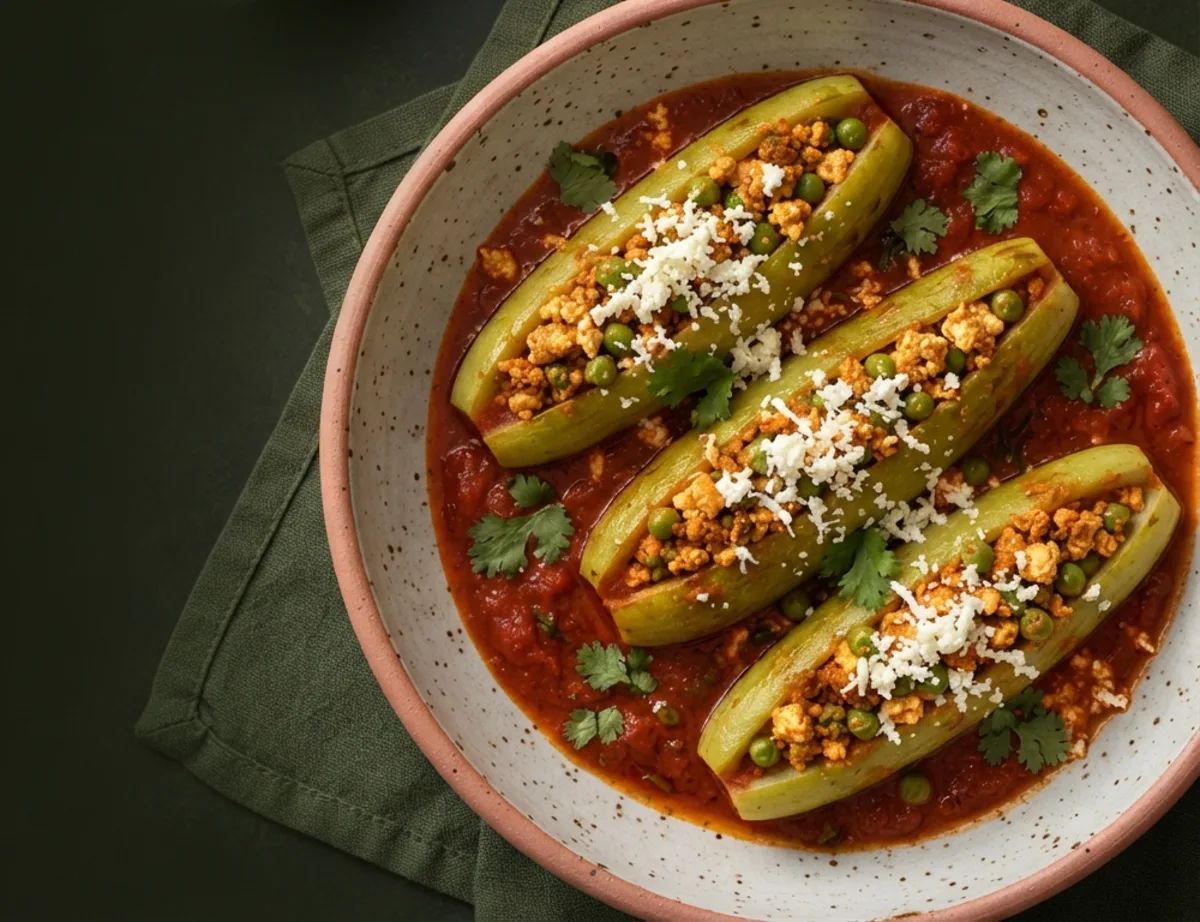
To put this into practice, look for ways to incorporate more protein into your everyday meals: - Legumes and Dals: Cereals and legumes/beans at the base of the food pyramid should be eaten in sufficient quantity2. - Dairy: Lacto-vegetarian diets can be used to support dietary goals4. - Whole Grains: Cereals and legumes/beans at the base of the food pyramid should be eaten in sufficient quantity2.
Remember, the goal is to create a "biomedical triplet" balance: 50%–60% of your calories from carbohydrates, adequate protein, and 20%–25% from fats3. Ensure moderate use of edible oils and animal foods and use a minimum of ghee, butter, or vanaspati2.
Practical Tips for Mindful Meal Planning
Consistency and mindfulness are the cornerstones of any successful nutrition plan. Rather than following rigid, pre-printed charts, try to understand your own family's dietary habits and adapt them to be more nutrient-dense3.
- Avoid Overeating: Avoid overeating to prevent overweight and obesity2. - Limit Processed Items: Minimize the use of foods rich in salt, sugar, and fats2. This includes being mindful of "health" beverages that may be marketed as beneficial but are often energy-dense1. - Stay Active: Pair your balanced meals with regular physical activity to help maintain your ideal body weight2. - Consistency: Whether you are planning your week or just your next meal, keep your strategy "appropriate, accurate, and affordable" so that it is something you can actually stick to in the long run3.
Consulting Professionals for Personalized Nutrition
Because there is so much conflicting information available today, it is easy to feel confused about the "right" way to eat1. This is where a trained health care provider or a registered dietitian becomes invaluable. They can provide the nutritional assessment and counseling necessary to create a plan that is truly individualized for you3.
In India, while access to specialized nutritionists is growing, it is important to seek out professionals who understand the nuances of the Indian diet and can help you make changes that are both healthy and culturally familiar3. If you are living with a specific health condition, always consult your doctor before making major changes to your diet, as they can help you navigate your unique requirements safely3.
Sample Meal Ideas for Your Daily Routine
To get started, consider how you can modify your current favorites to better align with these principles:
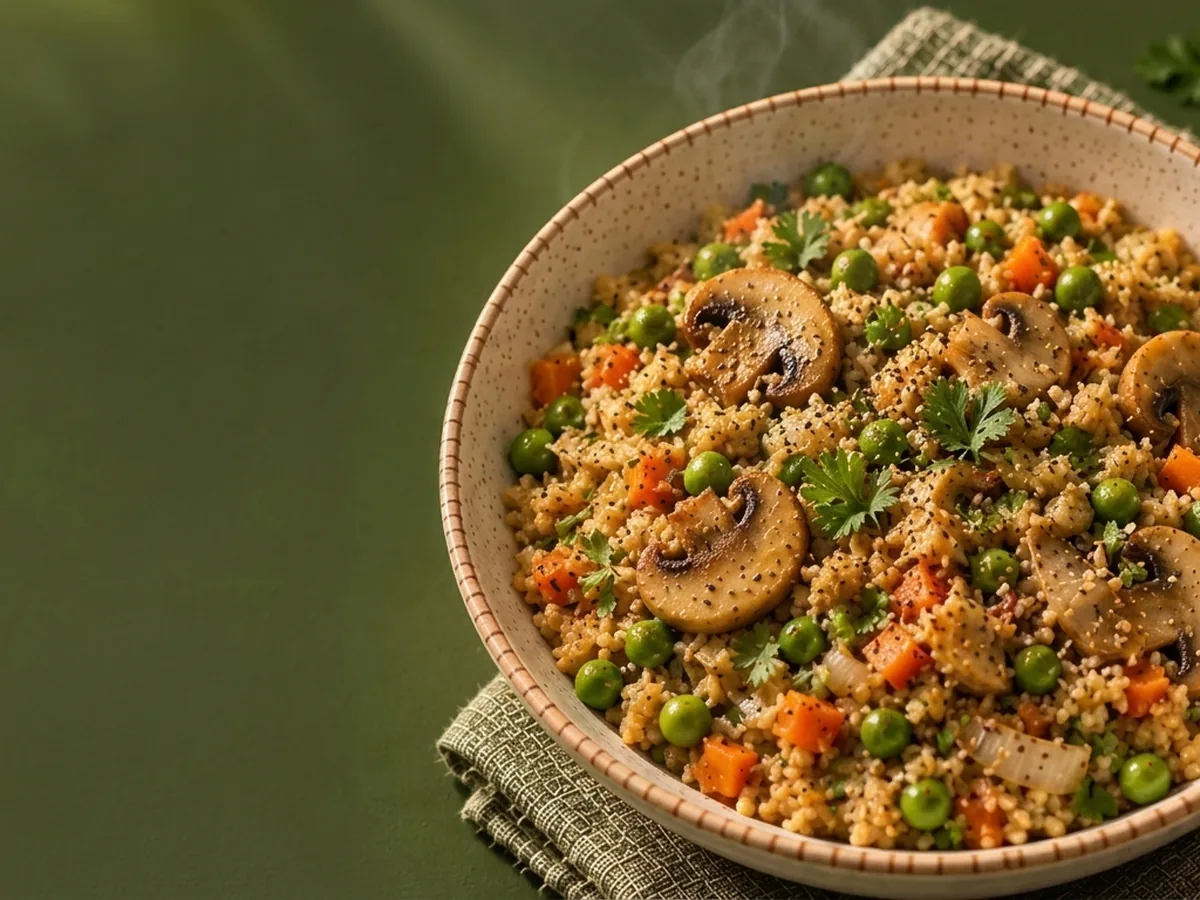
- Breakfast: Instead of a large portion of carb-heavy poha or upma, try a smaller portion served with a side of sprouts or a bowl of curd to boost the protein content.
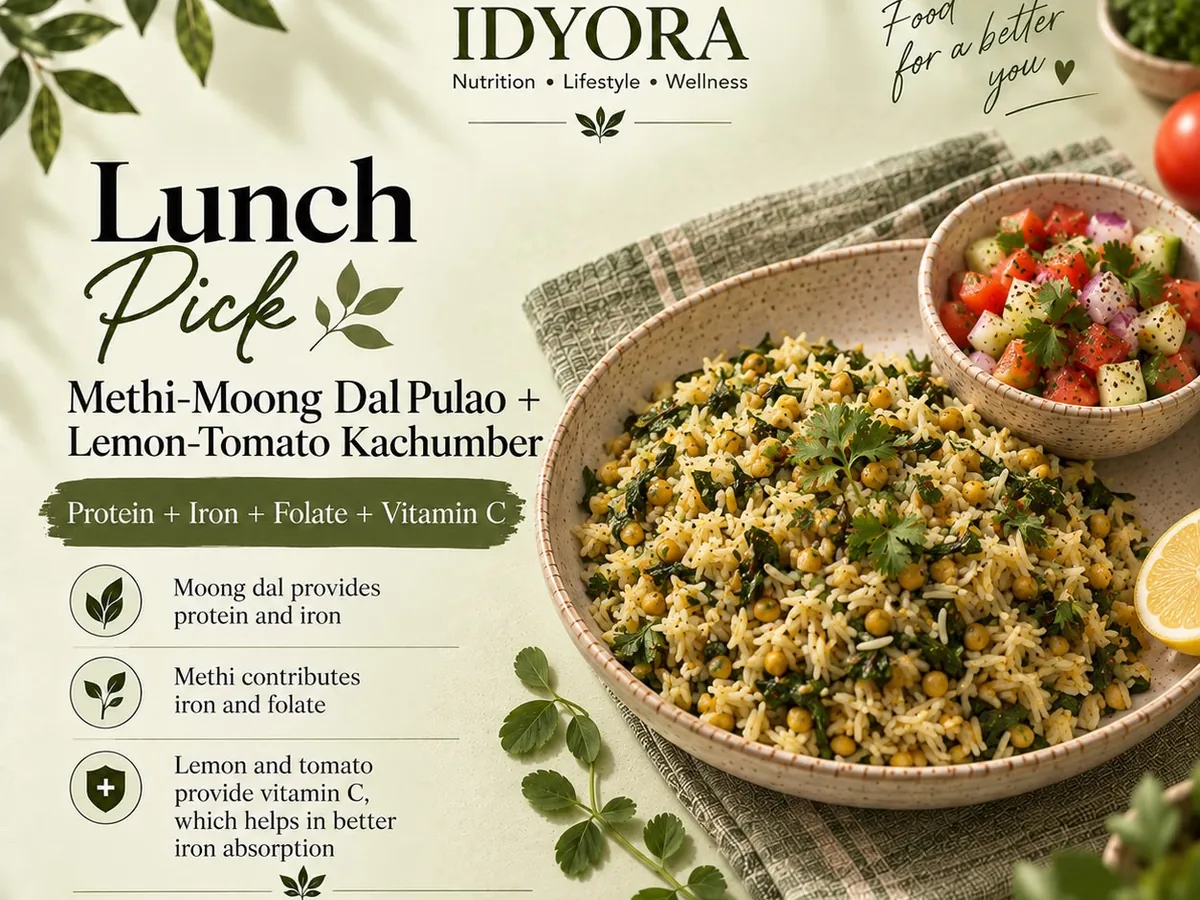
- Lunch: Follow the plate model. Fill half your plate with a seasonal vegetable sabzi, one-quarter with a dal or a legume-based dish, and one-quarter with a whole-grain roti or a small portion of brown rice.
- Snacks: If you need a mid-day boost, reach for a handful of nuts or a piece of fruit rather than processed biscuits or namkeen2.
- Dinner: Keep dinner light but protein-focused. A bowl of vegetable-heavy lentil soup or a stir-fry with paneer and plenty of greens can be both satisfying and balanced.
By focusing on these small, sustainable shifts rather than drastic restrictions, you can enjoy the richness of Indian cuisine while supporting your long-term wellness goals.
Sources
5
- ICMR-National Institute of NutritionICMR-National Institute of Nutrition
- Food-based dietary guidelines - IndiaFAO
- ESI Clinical Practice Guidelines for the Evaluation and Management of Obesity In India - PMCUS National Institutes of Health
- A randomized controlled trial to evaluate the effects of high P rotein C omplete (l A cto) VE geta R ian (PACER) diet in non-diabetic obese Asian Indians in North IndiaUS National Institutes of Health, 2017
- Clinical experience with a relatively low carbohydrate, calorie-restricted diet improves insulin sensitivity and associated metabolic abnormalities in overweight, insulin resistant South Asian Indian exa.ai, 2008