A Balanced Approach to Indian Home Cooking for Blood Sugar Management
Discover how to structure a balanced Indian thali that supports your wellness goals using traditional ingredients and mindful portions.
 By Idyora Team 24 Sept 2026 5 min read
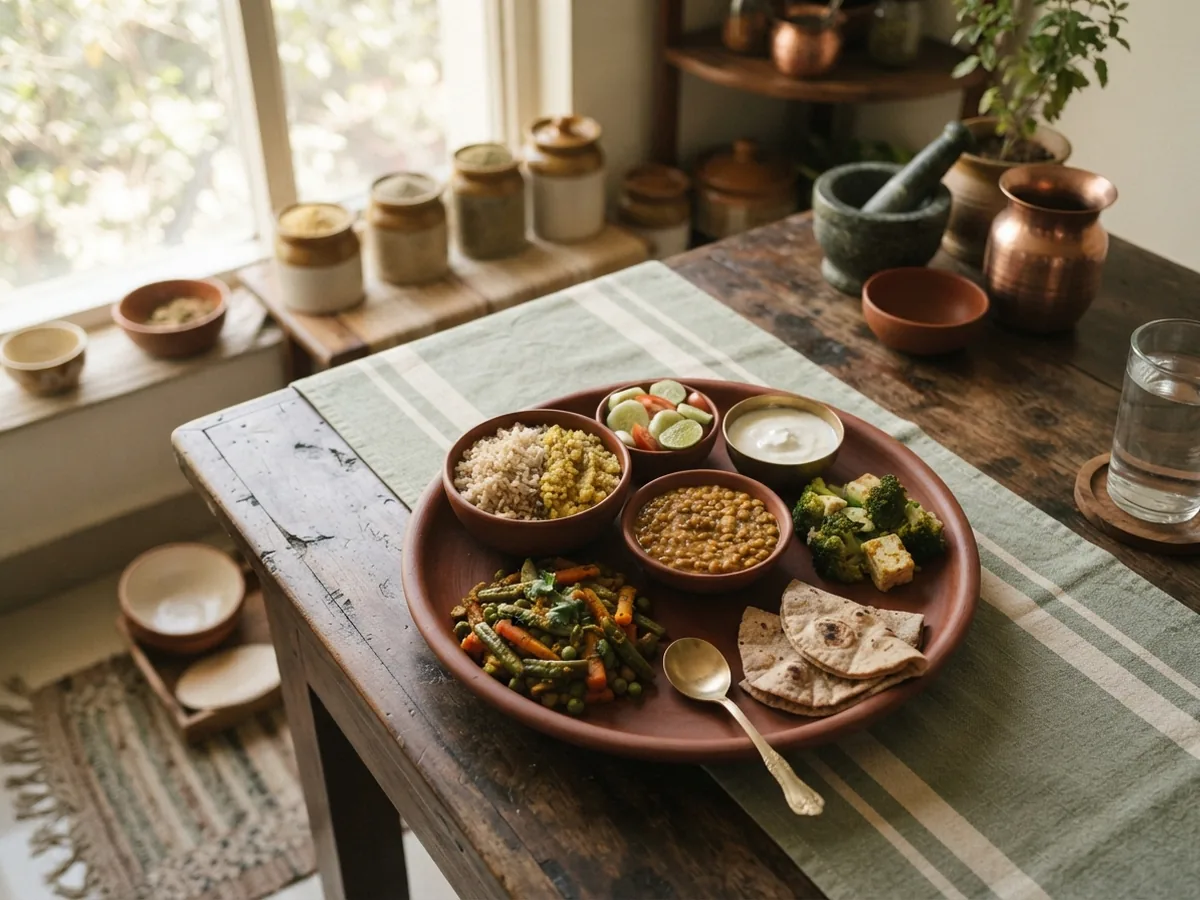
Managing blood sugar through your daily meals is about finding a rhythm that works for your body and your kitchen. By focusing on the quality of your ingredients—choosing complex carbohydrates like millets over refined grains and balancing your plate with plant-based proteins—you can create nourishing Indian meals that support your wellness goals. Start this week by swapping your afternoon white rice portion for a fiber-rich pulse or vegetable-heavy salad, and aim to include one additional serving of leafy greens in your lunch.
Understanding the Balanced Indian Plate
Creating a balanced thali is a practical way to manage your nutrition without feeling restricted. A well-structured plate should be diverse, incorporating pulses, legumes, unprocessed vegetables, and low-fat dairy12. The Indian Council of Medical Research (ICMR) emphasizes that dietary plans should be individualized based on factors like age, sex, physical activity, and family eating patterns3.
When building your plate, aim for vegetables and fruits to be the main constituent, ideally making up 50% of your meal2. By rotating through a variety of seasonal vegetables over the week, you increase the diversity of your intake, which helps in consuming a wider range of phytonutrients2. Nutrition plans should be individualized, close to the family pattern, flexible, and have variety3.
The Role of Complex Carbohydrates and Fiber
In an Indian diet, carbohydrates often form the foundation of our meals. Choosing the right type of carbohydrate is a key part of a balanced diet. Clinical guidelines suggest that complex carbohydrates should be preferred over refined products, and foods with a low glycaemic index (GI) and low glycaemic load (GL) should be preferred12.
For example, while rice is a staple, it has a high GI of 73; brown rice (GI: 68) or millets are better alternatives12. Increasing your fiber intake to 25–40 grams per day through whole grains, legumes, peas, beans, oats, and barley is highly recommended123. Different carbohydrates produce different glycemic responses, and it is important to manage total carbohydrate intake3. Remember, the goal is to manage the total carbohydrate intake, which is typically recommended to be between 50% and 60% of your total daily energy123.
Prioritizing Plant-Based Proteins
Protein is an essential building block for your body, and it plays a vital role in a balanced diet. Protein intake should be maintained at about 15% of total calorie intake, and the quantity of protein intake depends on age, sarcopenia and renal dysfunction12.
For those who consume non-vegetarian food, fish is an excellent source of polyunsaturated fatty acids (PUFA), with 100–200 grams recommended per week12. For vegetarians, vegetable oils (soybean, safflower, sunflower), walnuts, and flaxseeds are recommended12. When cooking, it is important to be mindful of your fat sources. You should aim to limit total fat intake to less than 30% of your total calories12. Prioritize oils with high monounsaturated fatty acids (MUFA) and PUFA, such as mustard or peanut oil, and try to rotate between two or more types of vegetable oils for better fatty acid balance12. Always avoid partially hydrogenated vegetable oils (vanaspati) and minimize saturated fats like ghee, butter, and coconut oil12.
"The nutrition chart and support should be made in conjunction with a trained nutritionist along with your physician or diabetologist to ensure that your dietary goals are safe, practical, and tailored to your specific health needs12."
Mindful Portion Control and Meal Timing
Beyond what you eat, how and when you eat matters. Your meal timing should align with your daily schedule to ensure consistency3. Portion control is not about deprivation but about understanding the balance of your plate. Because individual needs vary significantly based on body mass index (BMI) and physical activity levels, it is helpful to work with a professional to set goals that are achievable and acceptable to you3.
A gradual approach is always better than sudden, extreme changes. If you are looking to adjust your calorie intake, the ICMR suggests that changes should be gradual—no more than 500 calories per day3. Furthermore, avoid extreme diets like low-carbohydrate ketogenic plans unless they are specifically planned and monitored by your healthcare team for a short, defined period12.
Practical Tips for Everyday Indian Cooking
Small changes in the kitchen can have a significant impact on your overall wellness. Here are a few practical habits to adopt:
- Cooking Methods: Avoid reheating or refrying cooking oils, as this can degrade their quality12.
- Flavor without Excess: Be mindful of your salt intake, aiming for less than 5 grams per day1. Use fresh herbs, spices, and aromatics to add flavor to your dals and sabzis instead of relying on excessive salt or fat.
- Whole Grains: Experiment with mixing unpolished grains or millets into your regular rotis or khichdi to boost your fiber intake.
- Healthy Fats: Incorporate walnuts and flaxseeds into your snacks or morning porridge as a source of healthy fats12.
- Hydration and Lifestyle: While focusing on food, remember that other lifestyle factors—such as regular physical activity, stress management, and avoiding tobacco or alcohol—are essential components of your overall health journey3.
Sample Meal Planning Strategies
Meal planning is a personal process. To get started, try focusing on these simple strategies:
- Breakfast: Opt for a protein-rich start, such as a moong dal chilla packed with grated carrots and spinach, rather than refined flour or sugary cereals.
- Lunch: Follow the "half-plate" rule. Fill your plate with a variety of vegetables as the main constituent, along with pulses, legumes, and a portion of whole-grain roti or brown rice2.
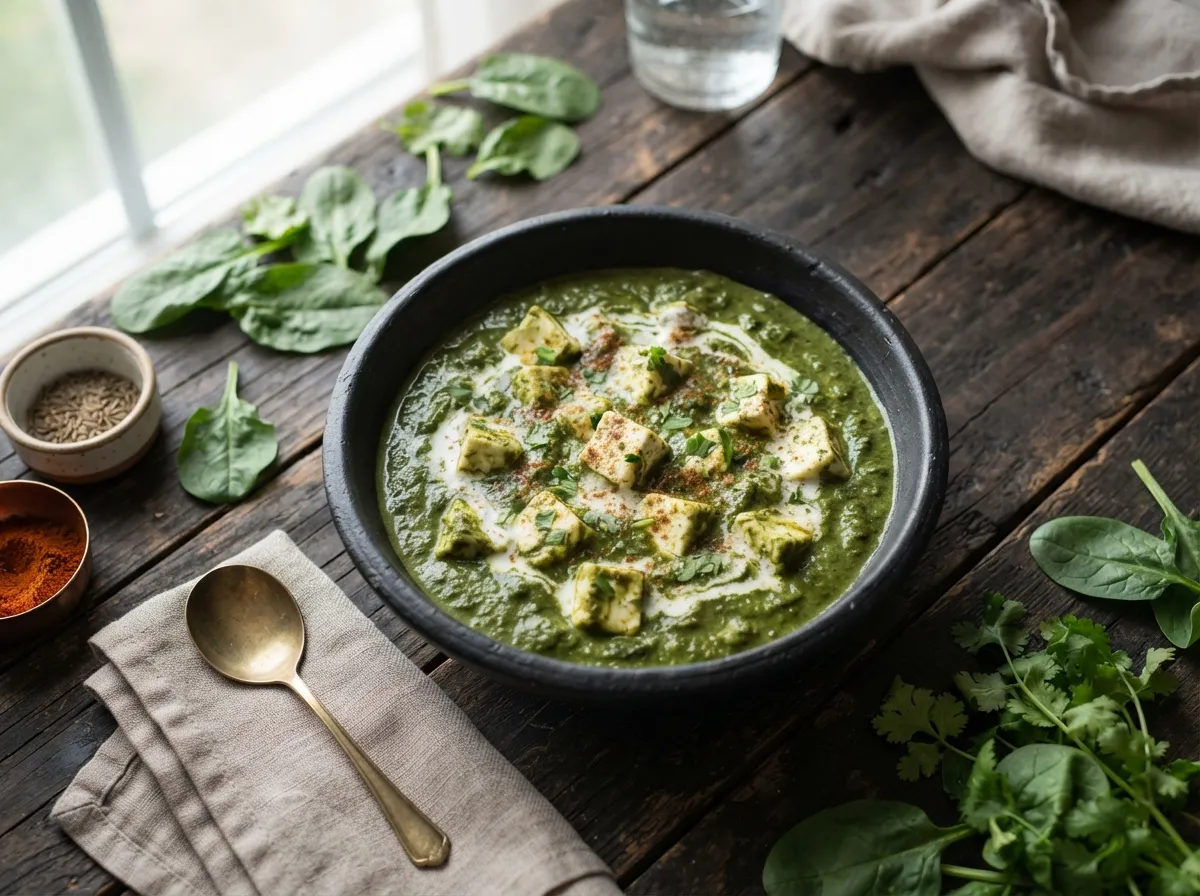
- Dinner: Keep your evening meal lighter and earlier. A bowl of vegetable-heavy soup followed by a simple stir-fry of paneer or tofu with seasonal greens is a great way to end the day.
- Snacks: Choose a handful of unsalted nuts or a piece of fruit with a low glycemic index when you feel hungry between meals123.
By focusing on these traditional, whole-food principles and working closely with your healthcare providers, you can build a sustainable and enjoyable approach to Indian home cooking that supports your long-term wellness goals.
Sources
- RSSDI-ESI Clinical Practice Recommendations for the Management of Type 2 Diabetes Mellitus 2020US National Institutes of Health
- RSSDI Clinical Practice Recommendations for the Management of Type 2 Diabetes Mellitus 2022Journal article, 2022
- Indian Council of Medical ResearchIndian Council of Medical Research