Why Calorie Counts for Paneer and Rasgulla Can Be Misleading
Understand why tracking homemade paneer and rasgulla is complex and how kitchen variables impact the nutritional estimates of your favorite sweets.
 By IDYORA Nutrition Desk 5 Oct 2026 5 min read
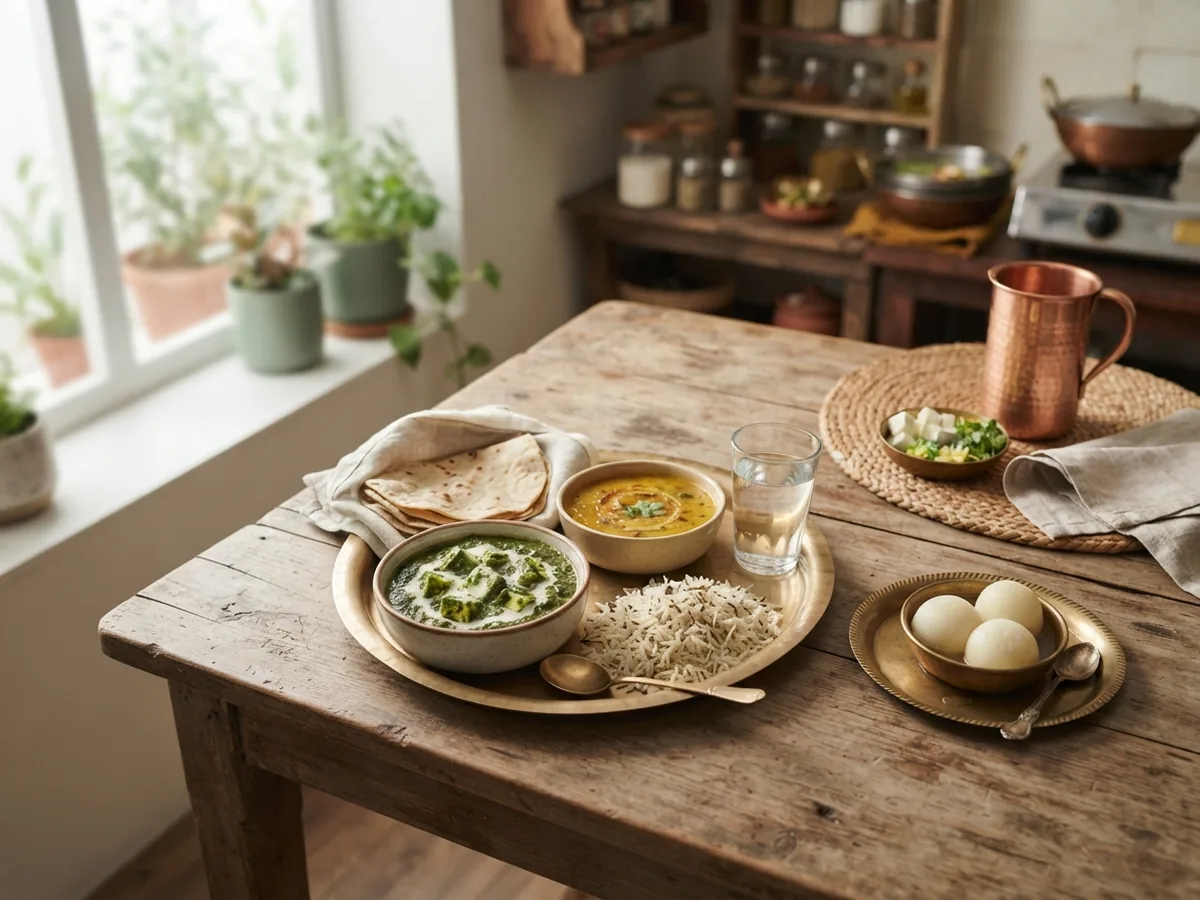
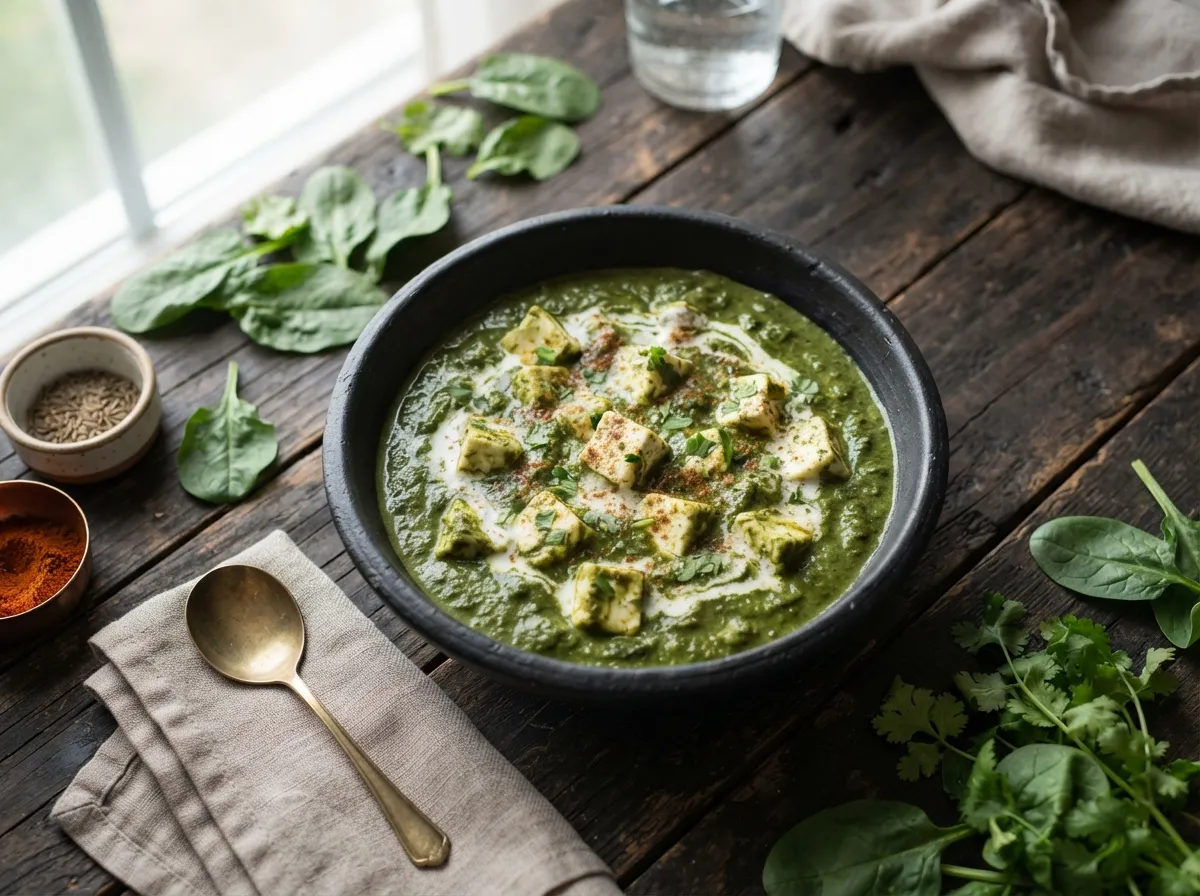
Tracking what we eat can be a helpful way to understand our habits, but have you ever noticed that a simple bowl of homemade paneer or a piece of rasgulla seems to carry a different "value" every time you check an app? The confusion often starts with "pot-to-plate" math—the habit of adding up every ingredient that goes into your cooking pot, even if those ingredients don't actually end up in your bowl. Whether you are portioning out a homemade sabzi, measuring milk for paneer, or enjoying a festive mithai, the most accurate way to track is to focus on what is on your plate rather than what was in the pan. This week, try weighing your final portion of paneer after it has been pressed, or estimate your mithai intake by the piece rather than the total sugar used in the syrup.
The Problem with 'Pot-to-Plate' Calculations
Many online recipe calculators and tracking apps operate on a simple principle: they sum every ingredient listed in a recipe. If you use 1 litre of milk to make paneer and add a splash of lemon juice, the app adds the total energy of that entire litre of milk to your log. However, this method ignores the reality of the kitchen. When you curdle milk to make paneer, you are essentially separating the solids from the liquid. Much of the milk’s water and a significant portion of its natural milk sugars leave the pot as whey, which is discarded. Similarly, when making rasgulla, the balls are lifted out of a large volume of sugar syrup that remains in the pan. By counting the entire pot of ingredients, you may be significantly overstating what is actually consumed. Conversely, treating milk as if it were still a liquid ignores the fact that it has been concentrated into a much denser form of protein and fat.
Understanding Paneer: What Stays and What Goes
When you prepare paneer at home, you aren't just heating milk; you are performing a chemical separation. According to the e-PG Pathshala module on the Technology of Paneer, the finished product retains about 90% of the fat and protein originally present in the milk. However, it only keeps about 50% of the minerals and roughly 10% of the lactose, as the rest is lost in the whey [Technology of Paneer, Module 19]. Because the composition changes so drastically during the curdling and pressing process, calculating the nutritional content based on the raw milk volume alone is imprecise. If you are managing your diet for a specific condition, it is always best to plan any significant changes to your intake with your doctor or a registered dietitian.
The Science of Chhena and Moisture Loss
The process of making chhena—the base for many Indian sweets—involves even more variables. Research indicates that chhena made with citric acid typically has a moisture content of 55–58% and a yield of 17–18% relative to the weight of the milk used [Chhana-based sweetmeats module, e-PG Pathshala]. This means that for every litre of milk, only a small fraction remains as the chhena dough. Because moisture is a major component of the final weight, small variations in how dry your chhena is can lead to different results in your tracking logs.
Rasgulla and the Syrup Dilemma
The most common frustration for home cooks is the sugar syrup. When you prepare rasgulla, the balls are cooked in a syrup that often ranges from 30% to 60% sugar concentration, with 50% often cited as the concentration that yields the best quality [Asian Journal of Dairy and Food Research]. However, you do not consume the entire pot of syrup. After the rasgulla is cooked and soaked, the amount of sugar actually consumed is limited to what is absorbed by the chhena ball and what remains on its surface. Studies show that moisture and ash content in rasgulla vary based on the ingredients used, such as fruit pulp fortification1, and that cooking medium concentrations affect the final composition of the sweet2. Since the syrup stays in the pan, counting the total sugar added to the pot will almost always result in an inaccurate, inflated number.
"The serve size of the food product/dish should be mentioned clearly against the food items in the menu. Calorific value or energy in kcal per serving and serving size needs to be displayed3."
Practical Tips for More Accurate Tracking
If you want to move away from "pot-to-plate" guessing, consider these practical adjustments:
- Log the Finished Weight: For paneer or chhena dishes, weigh the final product after it has been pressed and drained. This is a much more reliable indicator of what you are actually eating than the volume of raw milk you started with.
- Estimate by the Piece: For syrup-based sweets like rasgulla, log the number of pieces you ate. If you are concerned about the syrup, gently shake off the excess before weighing or serving.
- Treat Calculators as Estimates: If an app or calculator asks you to input "1 litre of milk plus lemon juice" for a paneer dish, understand that the total it provides is a rough guess. Food businesses may determine nutritional values through laboratory testing or by calculating the nutritive values of ingredients using credible sources3.
- Focus on Consistency: Since size and syrup soak vary from kitchen to kitchen, focus on being consistent with how you track your own portions rather than chasing a "perfect" number.
Finding Balance in Your Kitchen
Nutrition is about the overall pattern of your diet, not the minute details of a single rasgulla or a block of paneer. While apps and calculators can be useful tools, they are only as good as the data entered. When you are cooking at home, the most important factor is the quality of ingredients and the balance of your meal. If you have questions about how certain foods fit into your lifestyle—especially if you are managing a condition like diabetes or hypertension—always consult with a registered dietitian. They can help you create a plan that supports your health while allowing you to enjoy the traditional, homemade meals that make our kitchens special. Remember, food is meant to be enjoyed as part of a balanced diet, and small, practical habits are far more sustainable than obsessing over the math in the pot.