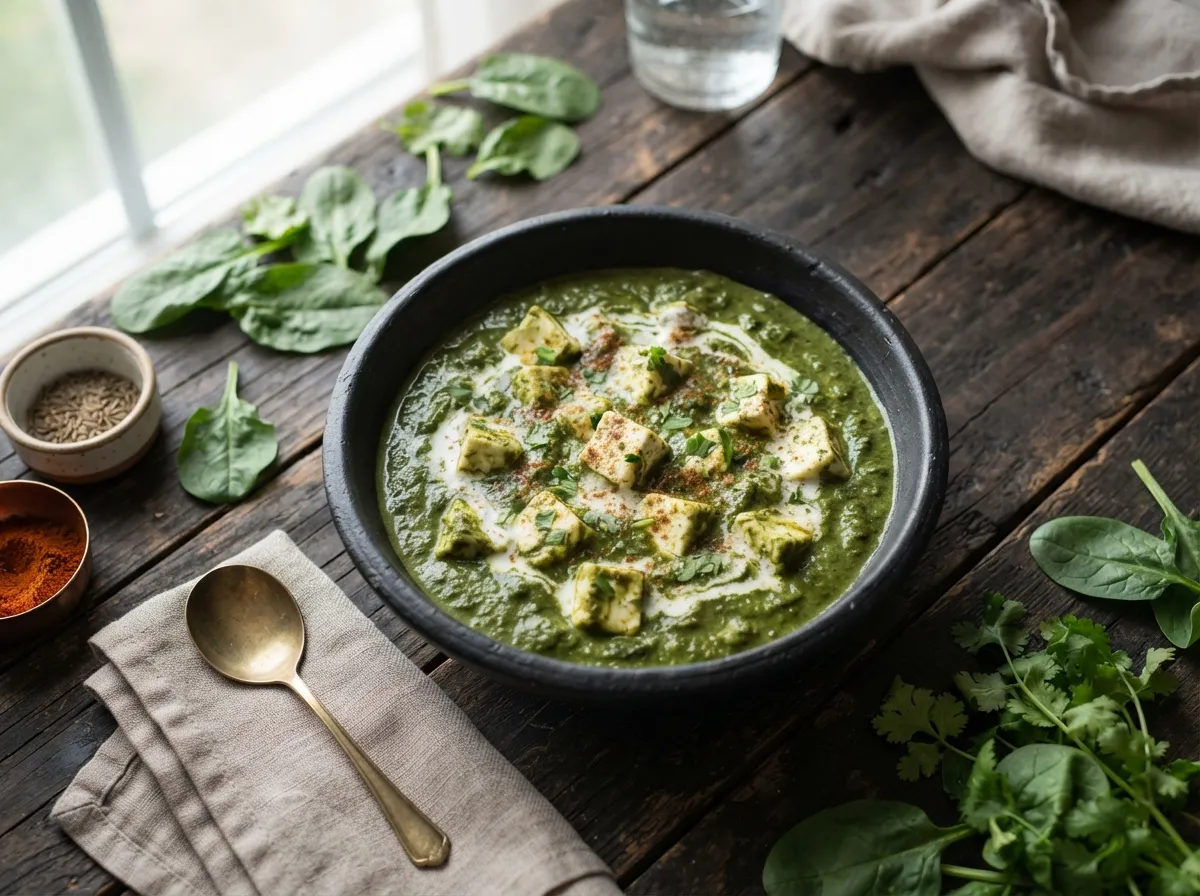
Thyroid-Friendly Indian Diet: A Balanced Approach
Explore how a balanced, traditional Indian diet and mindful lifestyle habits can support your overall wellness and daily health.
 By Idyora Team 26 Sept 2026 4 min read
Embracing a balanced, nutrient-dense approach to your daily Indian home cooking is a great way to support your overall wellness. By focusing on whole, unprocessed foods like traditional dals, seasonal sabzis, rotis made from whole grains, and mindful snacking, you can provide your body with essential foundations. Please plan any significant dietary changes with your doctor or a registered dietitian. This week, start by ensuring your kitchen is stocked with a variety of colorful vegetables and high-quality iodized salt, and try incorporating one new legume-based dish into your routine.
Understanding the Role of Nutrition in Thyroid Health
While no single diet cures thyroid conditions, certain dietary patterns support thyroid function and reduce inflammation1. Diets emphasizing fruits, vegetables, legumes, whole grains, nuts, and seeds, while limiting processed foods, added sugars, and sodium, are often recommended1.
In the Indian context, our traditional way of eating, which naturally emphasizes these food groups, is a great starting point. When we focus on a balanced intake, we are essentially providing the body with the building blocks necessary for maintaining health. It is important to remember that nutritional deficiencies or excesses of certain minerals play a significant role in thyroid health2.
Essential Micronutrients for a Balanced Plate
To support the body's needs, we rely on a variety of micronutrients. Iron and selenium, for example, are crucial for the formation of thyroid hormones, while iodine is a fundamental component of the hormones themselves2. Selenium also acts as a cofactor for enzymes that help activate these hormones2.
Beyond these, consider the following:
- Zinc: This mineral is important for T3 receptor activation and can influence thyroid function2.
- Antioxidants: Vitamins A, C, and E, along with group B vitamins, are recommended for their antioxidative properties and their role in regulating the pituitary-thyroid axis2.
- Magnesium and Potassium: Reduced intake of these minerals may provoke or support thyroiditis2.
You can find these nutrients in a variety of everyday Indian staples. Dietary guidance emphasizes a diet rich in selenium, iodine, zinc, and iron, which includes foods like meat, fish, eggs, dark leafy vegetables, nuts, seafood, and dairy products3.
"Data from biomedical and clinical studies provide evidence that an appropriate dietary and lighting regimen could significantly improve the function of the thyroid gland and reduce the reactivity of autoantibodies in TH2."
Building Your Thyroid-Friendly Thali
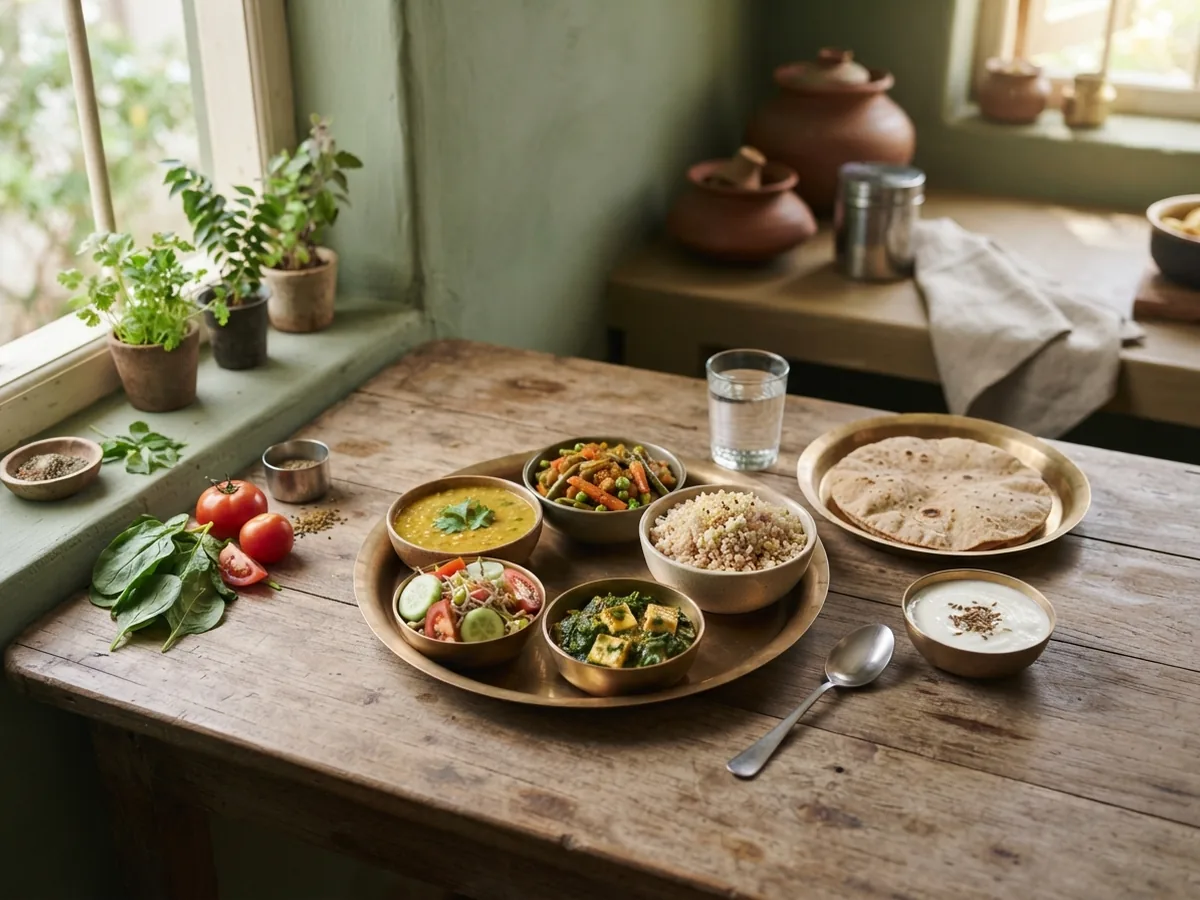
A balanced Indian thali is a masterclass in variety. To build a meal that supports your wellness, aim for a plate that includes a source of complex carbohydrates (like whole wheat rotis or brown rice), a protein-rich dal or legume dish, and a generous portion of seasonal vegetables.
Some experimental studies suggest that raw cruciferous vegetables or soy products can interrupt iodide trapping or interfere with the oxidation of iodide to iodine4. For most people, a varied diet that includes cooked vegetables is a healthy choice.
The Importance of Iodine and Salt Quality
Iodine is a critical element for thyroid hormone synthesis, with the thyroid gland storing a significant portion of the body's total iodine pool1. Since the mid-20th century, universal salt iodization has been a highly effective public health strategy to address iodine deficiency1.
However, maintaining the right balance is key. While the World Health Organization recommends 150 µg of iodine per day for adults, it is also important to be mindful of total sodium intake due to its link with cardiovascular health1. In India, studies have shown that the use of inadequately iodized salt can be associated with thyroid hormone abnormalities5. To support your health:
- Ensure the salt you use at home is properly iodized.
- Store your salt in an airtight container to help maintain its iodine content.
- Aim for moderation, as the goal is to reach iodine sufficiency without excessive sodium consumption1.
Lifestyle Tips for Consistent Wellness
Nutrition is only one piece of the puzzle. Consistent wellness is supported by a holistic lifestyle that includes:
- Regular Sleep: Lifestyle recommendations include maintaining a regular sleep schedule3.
- Movement: Engaging in moderate exercise is recommended3.
- Stress Management: Lifestyle recommendations include managing stress through meditation3.
- Mindful Cooking: Diets emphasizing nutrient-dense foods, such as fruits, vegetables, legumes, and whole grains, are encouraged to promote health1.
Consulting Your Healthcare Team
Because thyroid health is complex and influenced by many factors—including age, gender, and the presence of any comorbid conditions—it is essential to manage your health in partnership with a professional5. If you are living with a thyroid condition, please do not make significant changes to your diet or lifestyle without first consulting your doctor or a registered dietitian4.
They can help you interpret your blood work, monitor your TSH, T3, and T4 levels, and ensure that any dietary adjustments are safe and effective for your specific situation5,3. By combining professional medical guidance with a balanced, traditional Indian diet, you can take a proactive and sustainable approach to your long-term wellness.
Sources
5
- Nutrition and Micronutrient Interactions in Autoimmune Thyroid Disorders: Implications for Cardiovascular Health - PMCUS National Institutes of Health, 2025
- Nutritional Management of Thyroiditis of Hashimoto - PMCUS National Institutes of Health, 2022
- Efficacy of Add-on Ayurveda Treatment Protocol in the Management of Subclinical Hypothyroidism: A Pilot Randomized Controlled Clinical TrialJournal article, 2025
- Diet in Thyroid Disorders: A Survey among Clinicians and a Review of the Current PerspectiveJournal article, 2024
- Evaluation of Factors Affecting Thyroid Levels and its Relationship with Salt Iodine to Suggest the Way Forward!US National Institutes of Health