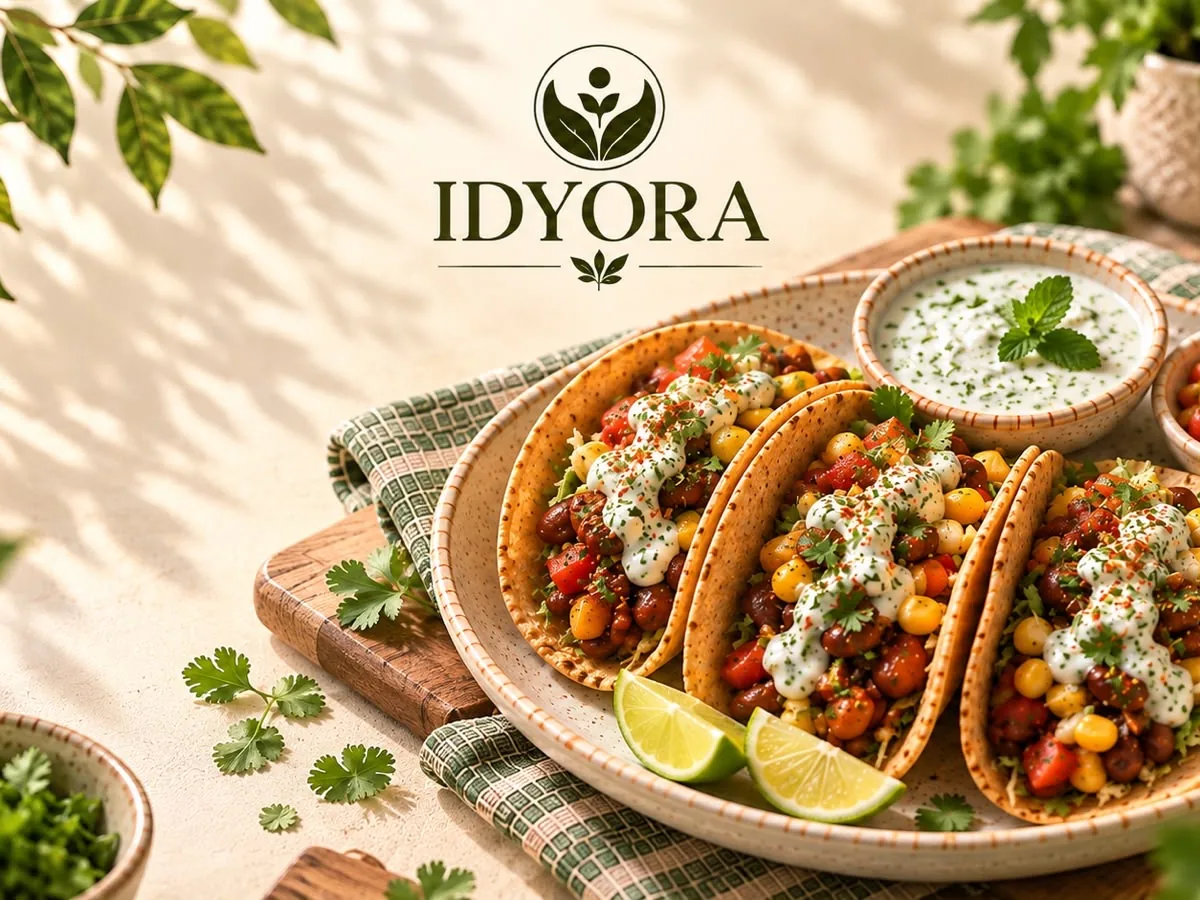
Spicy Stuffed Swaps: Elevate Your Evening Snack Routine
Discover how simple, mindful swaps for your favorite Indian snacks can help you build more nourishing and satisfying eating habits.
 By Idyora Team 25 Sept 2026 5 min read

Ever wondered how to make your evening snack feel as nourishing as a home-cooked meal without losing that comforting, spicy crunch? The secret lies in "swaps"—small, intentional changes like replacing refined flour with millet-based flours in your pakoras, or opting for air-frying instead of deep-frying your favourite tikkis.
Why Small Swaps Matter for Your Nutrition Journey
The transition from adolescence to adulthood is a critical window for setting lifelong eating habits. In India's rapidly urbanizing context, young adults are increasingly consuming diets dominated by refined cereals such as polished white rice and refined wheat flour products, which are typically high in glycaemic load and low in fiber1.
However, your nutrition journey isn't about perfection; it is about progress. Structured dietary interventions combining low glycaemic index whole foods, increased legume and fibre intake, reduced refined carbohydrates, and moderate healthy fat consumption have accumulated evidence for cardiometabolic benefit in the Indian population2. By making small, consistent swaps, you are building a sustainable relationship with food that supports your long-term well-being.
Understanding the Impact of Refined Ingredients
Refined ingredients often dominate our modern pantries, but traditional Indian staples offer a much more nutrient-dense path. Millets like finger millet (ragi), pearl millet (bajra), and sorghum (jowar), along with legumes like chickpeas (chana) and mung beans (moong), are rich in complex carbohydrates, plant protein, dietary fiber, and essential minerals1.
Replacing 40% of daily refined cereal intake with locally available millets and legumes may enhance metabolic health and dietary quality1. When we shift away from refined wheat flour and white rice toward these fiber-rich staples, we incorporate nutrient-dense, low-glycaemic alternatives1. If you are managing a specific health condition, please ensure you plan these dietary transitions in consultation with your doctor or a registered dietitian to ensure they align with your unique needs.
Smart Cooking Techniques: Baking and Air-Frying
We love our pakoras and samosas, but the method of preparation can change the nutritional profile of our favourite treats. High intakes of fat, salt, and sugar are common risk factors for chronic health concerns3. Fortunately, modern kitchen tools like air-fryers and ovens allow us to enjoy the textures we crave with significantly less added fat.
"Replacing added sugar in the daily diet with stevia-based tabletop sweetener, along with a physical activity regimen, promotes weight loss and reduction in waist circumference in overweight subjects with normal blood sugar levels and prediabetic subjects4."
By choosing to bake or air-fry, you can still enjoy a satisfying, crispy snack.
Incorporating More Fiber and Plant-Based Protein
Prioritizing protein and fiber is a great way to approach your evening snack. Legumes such as chickpeas (chana), lentils (masoor), and mung beans (moong) are traditional staples rich in complex carbohydrates, plant protein, dietary fiber, minerals, and phytochemicals1. Instead of a snack based entirely on refined flour, try incorporating chana or moong into your recipes.
For instance, a moong dal chilla or a chana salad provides a much higher fiber content than a store-bought biscuit or namkeen. Structured dietary interventions combining low glycaemic index whole foods, increased legume and fibre intake, reduced refined carbohydrates, and moderate healthy fat consumption from sources including groundnut, mustard, and coconut oil have accumulated substantial evidence for cardiometabolic benefit in the Indian population2.
Practical Tips for Mindful Snacking at Home
Mindful snacking is about being present and making choices that serve your body. Digital tools and "nudges" can be incredibly helpful in this process. Research suggests that embedding concise cues and healthy defaults into high-leverage surfaces can increase comprehension and shift baskets toward healthier foods5.
Here are a few practical ways to bring mindfulness into your kitchen: - Keep healthy staples visible: Store your chana, masoor, and millets in clear jars on your counter. - Use your tools: Keep measuring spoons and cups handy. - Prepare in advance: Having a batch of roasted chickpeas or a pre-mixed millet flour blend ready makes it easier to choose a healthy snack when hunger strikes. - Listen to your body: Eat when you are hungry and stop when you are satisfied. Snacks should be part of a balanced diet that leaves you feeling energized, not sluggish.
Getting Started with Your Own Stuffed Swaps
You don’t need to overhaul your entire kitchen overnight. Start by picking one snack you love and finding a "stuffed swap" for it. If you love stuffed parathas, try using a base of jowar or ragi flour and stuffing them with a mix of spiced paneer and finely chopped vegetables for added fiber and protein.
If you are looking for alternatives to sugar, steviol glycosides, derived from the leaves of Stevia rebaudiana, are natural, sweet-tasting, calorie-free sugar substitutes that are reported to have 200-400 times more sweetness than table sugar4. As you begin these small experiments, remember that the goal is to create a sustainable, enjoyable way of eating that feels right for you.
Small, consistent steps are what lead to lasting change. Whether it is adding more legumes to your soup or choosing to air-fry your vada, every swap is a step toward a more nourishing daily routine. If you are ever unsure about how to integrate these changes, your doctor or a registered dietitian can help you tailor these ideas to best support your health goals. Enjoy the process of rediscovering your kitchen—one delicious, mindful swap at a time.
Sources
5
- Effect of Replacing 40% of Daily Refined Cereal Intake with Resistance, Lipid Profile, and Diet Acceptability among Young Adults in Delhi–NCR, India: A 6-Month Randomized Controlled Trial Locally AvaiJournal article, 2025
- Dietary Adherence to a Structured Nutrition Intervention and Cardiometabolic Risk Reduction in Middle-Aged Adults with Metabolic SyndromeJournal article, 2026
- Effectiveness of information technology–enabled ‘SMART Eating’ health promotion intervention: A cluster randomized controlled trial | PLOS OnePLOS, 2020
- Effect of Sugar Replacement with Stevia-Based Tabletop Sweetener on Weight and Cardiometabolic Health among Indian Adults - PubMedUS National Institutes of Health, 2023
- Digital agri-nutrition marketing for consumer awareness of healthy foodsJournal article, 2025