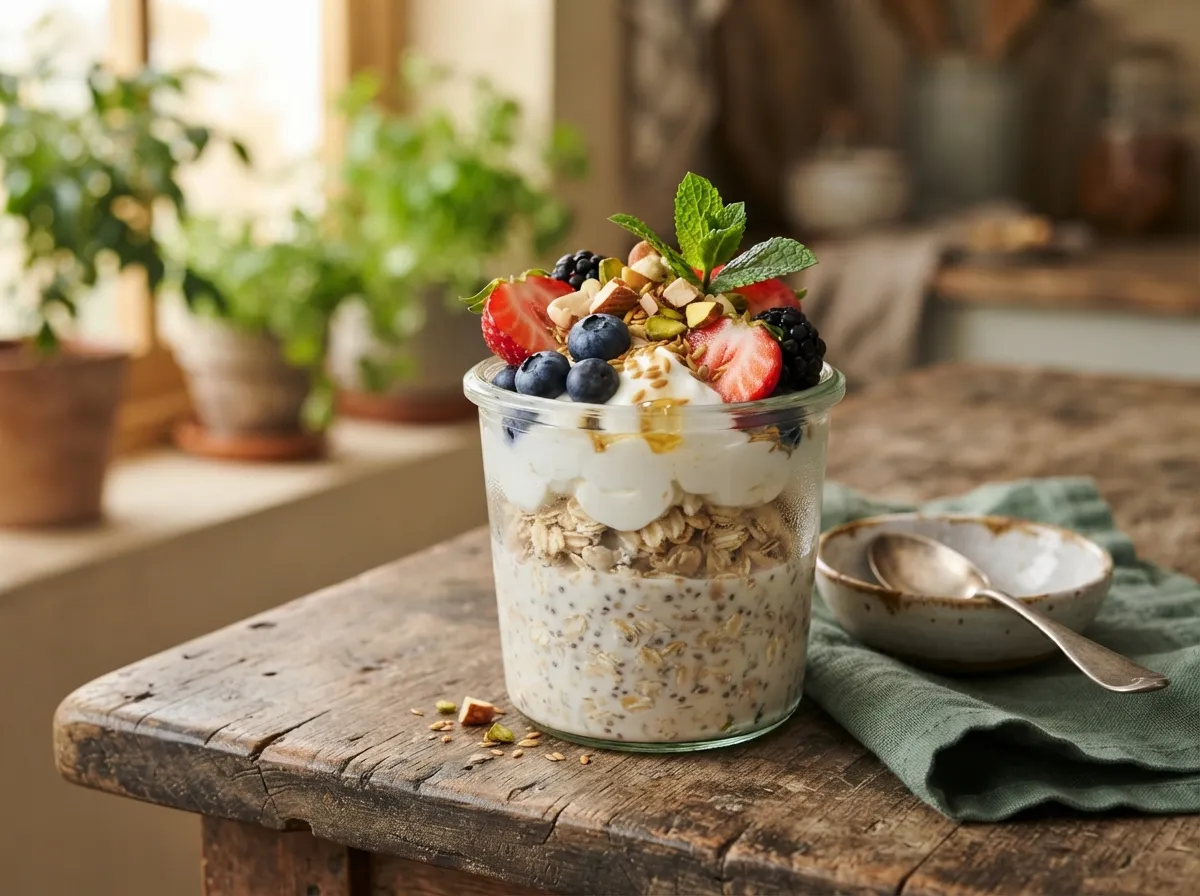
Smart Chocolate Swaps: Satisfy Your Cravings the Nourishing Way
Discover how to satisfy your sweet tooth using wholesome, nutrient-dense ingredients. These simple swaps help you enjoy chocolate as part of a balanced diet.
 By IDYORA Nutrition Desk 30 Sept 2026 5 min read
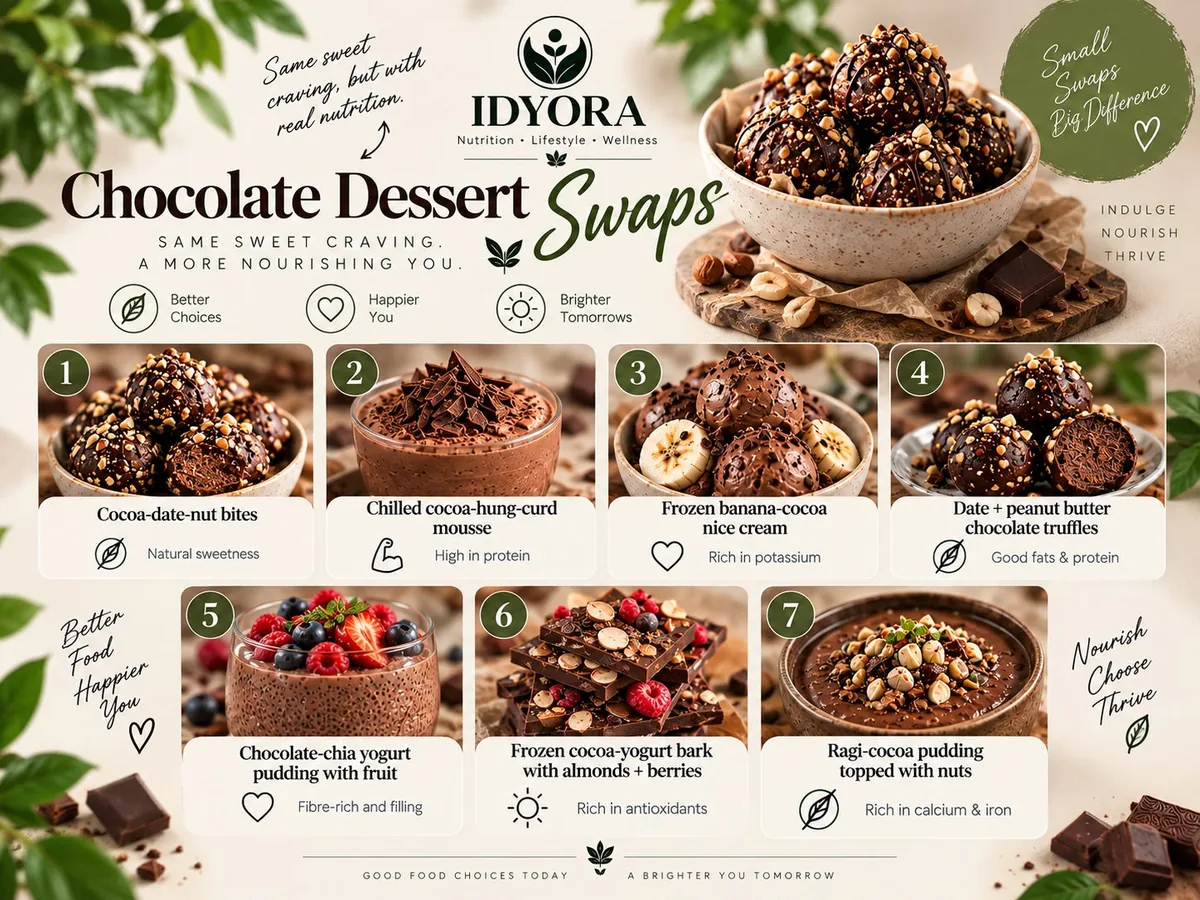
Satisfying a chocolate craving doesn't have to mean reaching for a sugar-laden treat; it is about finding nourishing ways to include the flavours you love within a balanced diet. By incorporating nutrient-dense ingredients like nuts, seeds, and dairy into your daily meals—much like how we add protein-rich dals or fibre-filled sabzis to our rotis—you can create desserts that support your well-being. Start this week by swapping one processed sweet for a homemade version using cocoa powder and natural sweeteners, or by adding a serving of yoghurt to your afternoon snack.
Why We Crave Chocolate: Understanding the Sweet Tooth
Cravings are often our body’s way of seeking comfort or energy, but in our fast-paced lives, these urges frequently lead us toward processed snacks high in added sugars. Research indicates that Indian diets are currently characterised by high intakes of low-quality carbohydrates like white rice and added sugar, alongside low intakes of protein1. When we rely on these refined options, we may be missing out on the essential nutrients that help maintain our long-term health.
It is important to remember that our dietary patterns play a significant role in how we feel. Research indicates that dietary patterns characterized by higher intakes of vegetables, fruits, whole grains, and low-fat dairy are associated with lower blood pressure and blood lipid levels2. When we understand that our "sweet tooth" is often just a craving for energy, we can start choosing ingredients that provide that satisfaction while also supporting our well-being.
The Power of Small Dietary Swaps
You don’t need to overhaul your entire kitchen to make a positive change. Small, consistent swaps can have a meaningful impact on your nutrition. For instance, the ICMR–INDIAB survey suggests that public health strategies that reduce overall carbohydrates and saturated fat while increasing intake of plant and dairy proteins could mitigate the risk of metabolic diseases in India1.
Think of your dessert as an extension of your main meal. Instead of a processed chocolate bar, try a homemade cocoa-dusted yoghurt bowl or a date-and-nut bar. By choosing ingredients that provide protein or healthy fats, you are not just satisfying a craving; you are adding value to your daily intake. Research shows that increased consumption of dairy, for example, is associated with a lower risk of metabolic syndrome and its components in Asian Indians3.
Nutrient-Dense Ingredients for Your Dessert Cabinet
Building a "wellness-focused" pantry is easier than you think. Keep these staples on hand to whip up quick, nourishing treats:
- Unsweetened Cocoa Powder: The base for your chocolate fix without the added sugar found in commercial bars.
- Nuts and Seeds: Almonds, walnuts, and flaxseeds provide fibre and healthy fats. Regular consumption of nuts is shown to be a component of a beneficial dietary pattern2.
- Dairy: Whether it is dahi or milk, dairy is a valuable addition. Increased consumption of dairy is associated with a lower risk of metabolic syndrome and components of cardiometabolic risk3.
- Whole Fruits: Use dates or mashed bananas to provide natural sweetness and fibre, as lower intakes of sugar-sweetened foods are associated with beneficial dietary patterns2.
"Replacing refined cereals with whole wheat or millet flour without decreasing overall carbohydrate quantity was not associated with lower risk for T2D or abdominal obesity; however, substituting carbohydrates for dairy or plant protein was associated with a lower likelihood of these risks1."
How to Balance Indulgence with Daily Nutrition
Balance is the cornerstone of any sustainable diet. It is not about strict restriction, but about "crowding out" less nutritious options with better ones. When you want something sweet, aim to pair it with a source of protein or fibre to help manage how your body processes the energy.
For example, if you are making a chocolate-based dessert, try incorporating a dollop of fresh dahi or a handful of roasted nuts. Since higher calorie intake from carbohydrates is associated with a higher likelihood of newly diagnosed type 2 diabetes1, please plan any significant dietary changes with your doctor or a registered dietitian to ensure your snacks support your personal health goals.
Tips for Sustainable Healthy Eating Habits
Sustainability comes from consistency, not perfection. Here are a few ways to keep your sweet cravings in check:
- Plan Ahead: Keep healthy, pre-portioned snacks ready so you aren't tempted by processed alternatives when hunger strikes.
- Mindful Eating: Enjoy your treat slowly. Often, we crave sweets because we are eating mindlessly. Taking the time to savour the flavour can make a smaller portion feel much more satisfying.
- Prioritise Whole Foods: Focus on patterns that are lower in saturated fat and richer in fibre and potassium2. This could mean choosing a fruit-based dessert over a refined-flour pastry.
- Stay Hydrated: Sometimes, what we perceive as a craving for sugar is actually a sign of mild dehydration. Drink a glass of water before reaching for a snack.
Consulting Professionals for Personalized Nutrition
While these tips are great for everyday home cooking, everyone’s body is unique. If you are living with a specific health condition, it is essential to consult with a registered dietitian or your doctor before making significant changes to your diet. They can help you create a plan that fits your specific medical needs and lifestyle.
Remember, there is no single "magic" food. Strong and consistent evidence demonstrates that dietary patterns associated with decreased risk of cardiovascular disease are characterized by higher consumption of vegetables, fruits, whole grains, low-fat dairy, and seafood, and lower consumption of red and processed meat, and lower intakes of refined grains, and sugar-sweetened foods and beverages2. By focusing on these foundations, you can enjoy the occasional chocolate treat as part of a balanced diet, knowing you are supporting your well-being with every nourishing choice.
Sources
3
- Dietary profiles and associated metabolic risk factors in India from the ICMR–INDIAB survey-21 | Nature MedicineNature, 2025
- Dietary Patterns and Risk of Cardiovascular Disease: A Systematic ReviewUS National Institutes of Health
- Higher Intake of Dairy Is Associated with Lower Cardiometabolic Risks and Metabolic Syndrome in Asian Indians - PMCUS National Institutes of Health, 2022