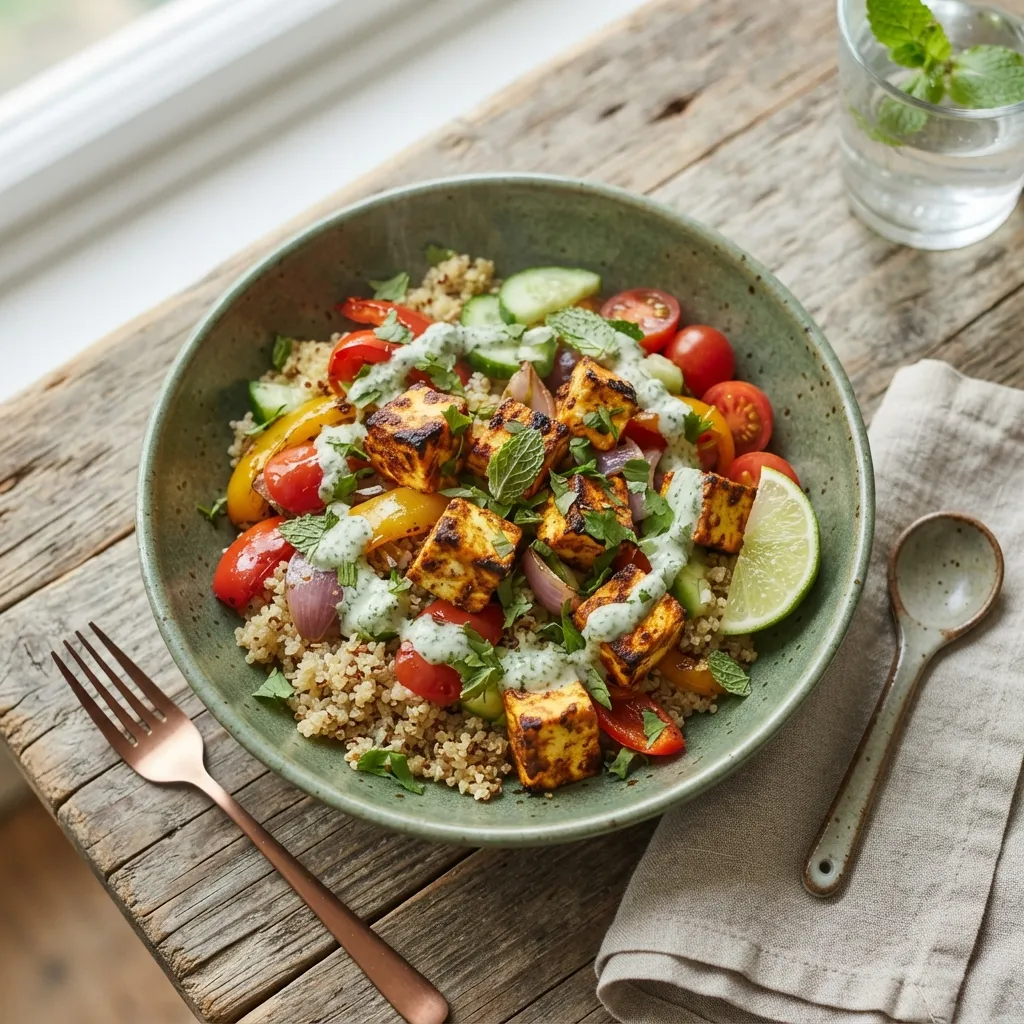
Crispy and Savoury Swaps: Elevating Your Snack Time
Discover simple, nourishing ways to enjoy your favourite savoury flavours while keeping your snacks light and satisfying.
 By Idyora Team 28 Sept 2026 6 min read
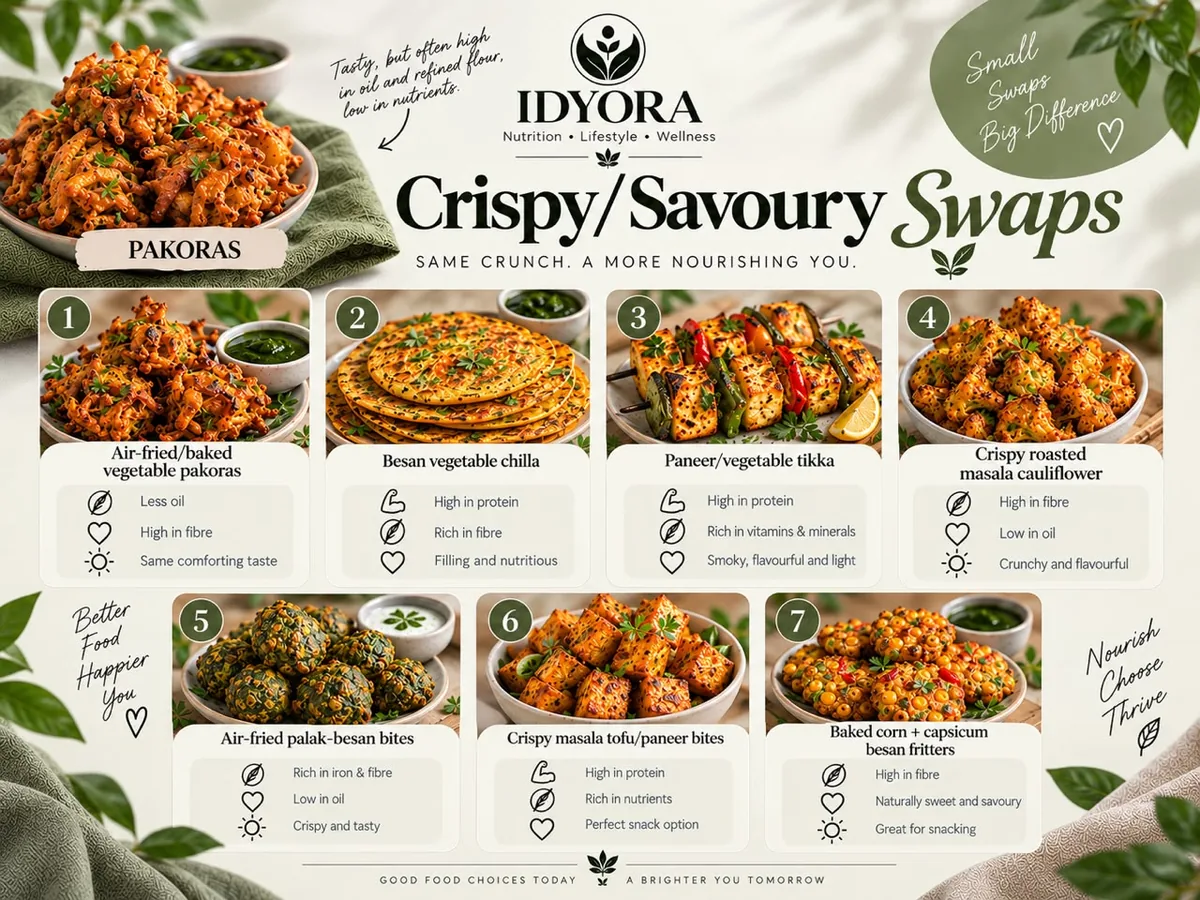
We often crave that quintessential crunch during our afternoon tea break, but finding snacks that feel both indulgent and nourishing can be a challenge. By leaning into ingredients already found in your pantry—like roasted chana, seasonal vegetables, and protein-rich dals—you can create snacks that keep you satisfied and energized. This week, try swapping your usual deep-fried namkeen for dry-roasted makhana or air-fried vegetable chips to see how simple, intentional changes can transform your daily ritual.
The Joy of Mindful Snacking
Mindful snacking is not about restriction; it is about choosing foods that make you feel vibrant and ready to take on the rest of your day. In the Indian kitchen, we have an incredible heritage of snacks that are naturally wholesome. Think of the humble bhuna chana (roasted chickpeas) or a warm bowl of sprouted moong salad seasoned with a squeeze of lemon and a dash of chaat masala. These snacks are not just about filling a hunger gap; they are about connecting with the textures and flavours that make our cuisine so comforting.
When we snack mindfully, we pay attention to the crunch, the spice, and the satisfaction that a well-prepared bite provides. It turns a rushed moment into a small, restorative break. By focusing on whole ingredients—the grains, pulses, and greens that form the backbone of our meals—we can create snacks that support our overall well-being. It is about celebrating the food on our plate rather than seeing it as a source of stress. Whether you are enjoying a handful of lightly toasted nuts or a crisp cucumber slice topped with a bit of mint chutney, these moments of nourishment add up to a more balanced relationship with food.
Why Traditional Fried Snacks Can Be Tricky
We all love the occasional samosa or pakora—they are deeply tied to our memories of festivals, rainy afternoons, and family gatherings. However, many traditional Indian snacks are deep-fried in oil, which significantly increases their energy density. While these foods are part of our culture, consuming them frequently can leave us feeling sluggish or heavy, rather than energized.
When we rely on deep-fried items, we often miss out on the fibre and micronutrients that come from whole, unprocessed ingredients. Furthermore, the high heat used in deep frying can alter the quality of the oils, which is why many home cooks are now looking for ways to enjoy those same savoury profiles using gentler cooking methods. If you are managing a specific health condition, it is always a good idea to discuss your dietary patterns with your doctor or a registered dietitian to ensure your snacking habits align with your personal needs. The goal isn't to banish your favourites, but to understand how they fit into your broader lifestyle so you can make choices that leave you feeling your best.
Smart Swaps for a Crispy Experience
You don't have to give up the crunch to eat well. In fact, many of our most beloved textures can be replicated or even improved upon with a few clever swaps.
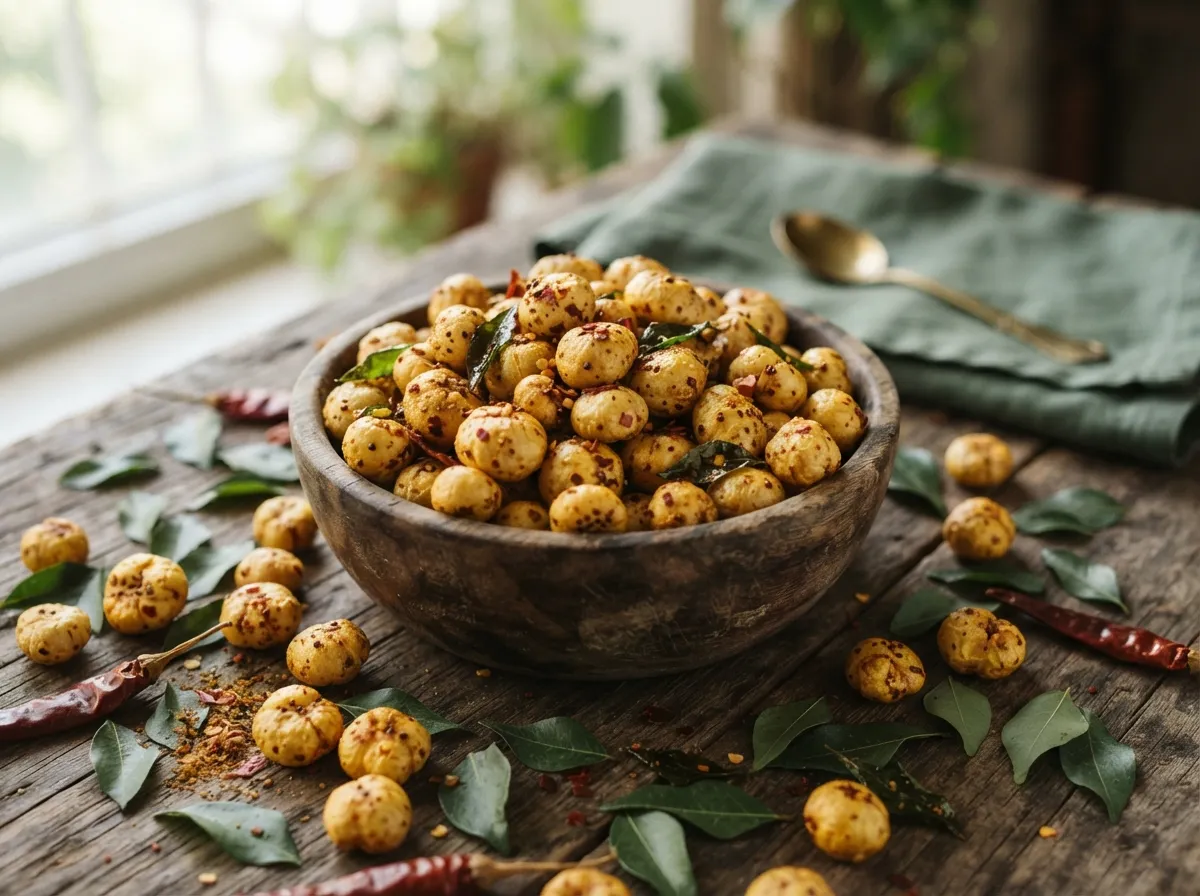
- Makhana over Potato Chips: Fox nuts (makhana) are a wonderful alternative to processed chips. They are light, airy, and take on spices beautifully. Toss them with a little ghee, turmeric, and black salt for a snack that satisfies that salty craving.
- Roasted Chickpeas for Namkeen: Instead of reaching for a packet of deep-fried sev or bhujia, try roasting chickpeas with a touch of cumin powder and chilli. They provide a satisfying chew and a lovely crunch that lasts.
- Baked Vegetable Strips: If you crave something crisp, try slicing carrots, beetroot, or even bottle gourd into thin rounds. Toss them with a tiny bit of oil and your favourite spices, then bake until crisp. They offer a colourful, fibre-rich alternative to traditional fried crisps.
- Puffed Grains: Puffed rice (murmura) or puffed amaranth (rajgira) can be turned into a delicious, light bhel with finely chopped onions, tomatoes, and coriander. It’s crunchy, fresh, and incredibly simple to assemble.
"True nourishment comes from embracing the ingredients that are already in our kitchen, transforming them with simple techniques that honour both flavour and vitality."
Incorporating More Vegetables and Protein into Your Day
One of the easiest ways to elevate your snack time is to ensure that every bite contributes something beneficial to your body. Including protein and fibre in your snacks is a great way to make your mid-afternoon bites more satisfying.
Try adding a protein boost to your snacks by incorporating sprouts, paneer, or even Greek-style curd. For instance, a small bowl of dahi topped with roasted seeds and a pinch of cinnamon can be a refreshing, protein-rich treat. Similarly, using vegetables as the base of your snack—like raw carrot sticks with a homemade hummus or a spicy moong dal dip—adds essential vitamins and minerals that are often missing from packaged snacks. By making these additions, you are not just snacking; you are fueling your body with the building blocks it needs to thrive as part of a balanced diet.
Simple Kitchen Techniques for Healthier Bites
The way we prepare our food changes everything. You can achieve a wonderful crunch without a deep-fryer by using a few simple techniques that are staples in the modern Indian kitchen.
- Dry Roasting: This is the best way to bring out the nutty flavour of seeds, nuts, and grains. Keep a heavy-bottomed pan on medium-low heat and stir constantly until the ingredients are fragrant and crisp.
- Air-Frying: An air-fryer is a fantastic tool for getting that "fried" texture with just a fraction of the oil. It works wonders for everything from roasted cauliflower florets to spiced potato wedges.
- Tawa Roasting: For rotis or even thin vegetable slices, a well-seasoned tawa (griddle) can provide a beautiful char and crispness. Use a silicone brush to apply a very thin layer of oil or ghee to control the amount used.
- Steaming: While not crunchy, steaming is a gentle way to prepare snacks like dhokla or idli. You can then lightly pan-sear them afterwards to get a crispy outer layer without deep frying.
Making Sustainable Changes to Your Snack Habits
The secret to long-term success is consistency, not perfection. You don’t need to overhaul your entire kitchen overnight. Start by choosing one snack time during the week to experiment with a new swap. Perhaps this Tuesday, you decide to make a bowl of spiced roasted makhana instead of your usual biscuits. By taking small, manageable steps, you allow your palate to adjust to new flavours and textures.
Remember that snacking is a personal journey. Listen to your body and notice how you feel after different types of snacks. Do you feel energized, or do you feel like you need a nap? Pay attention to those cues. If you are living with a condition that requires specific dietary management, remember that these general tips are meant to support your journey, but always consult with your doctor or a registered dietitian before making significant changes to your routine. By being patient with yourself and focusing on whole, fresh ingredients, you can turn snack time into a highlight of your day—one that is both deeply satisfying and wonderfully nourishing.