
Before You Start
Medium
The 2 medium green chillies provide the heat. To make it milder, use only one chilli or remove the seeds before chopping. To make it hotter, add a third green chilli.
Make it with no chilli
Simply omit the green chillies entirely; the flavour will remain rich and nutty without the heat.
25 mins in total
18 mins hands-on (chopping and cooking), 7 mins hands-off.
Plan ahead: Soak the cashews in boiling water for 30 minutes before starting, or leave them in cold water for 2 hours.
Contains: Milk (dairy), Tree nuts, Peanuts
Vegetarian · contains dairy. We check for milk, gluten, tree nuts, peanuts, mustard, sesame and celery. Always check your own labels, especially for asafoetida (hing), which often contains wheat.
Ingredients
For the Gravy Base
For the Paneer Curry
Can't Find Something?
- 200g firm tofu, pressed and cubed instead of 200 g paneer, cubed. Provides a similar texture and absorbs the creamy sauce well.
Make It a Meal
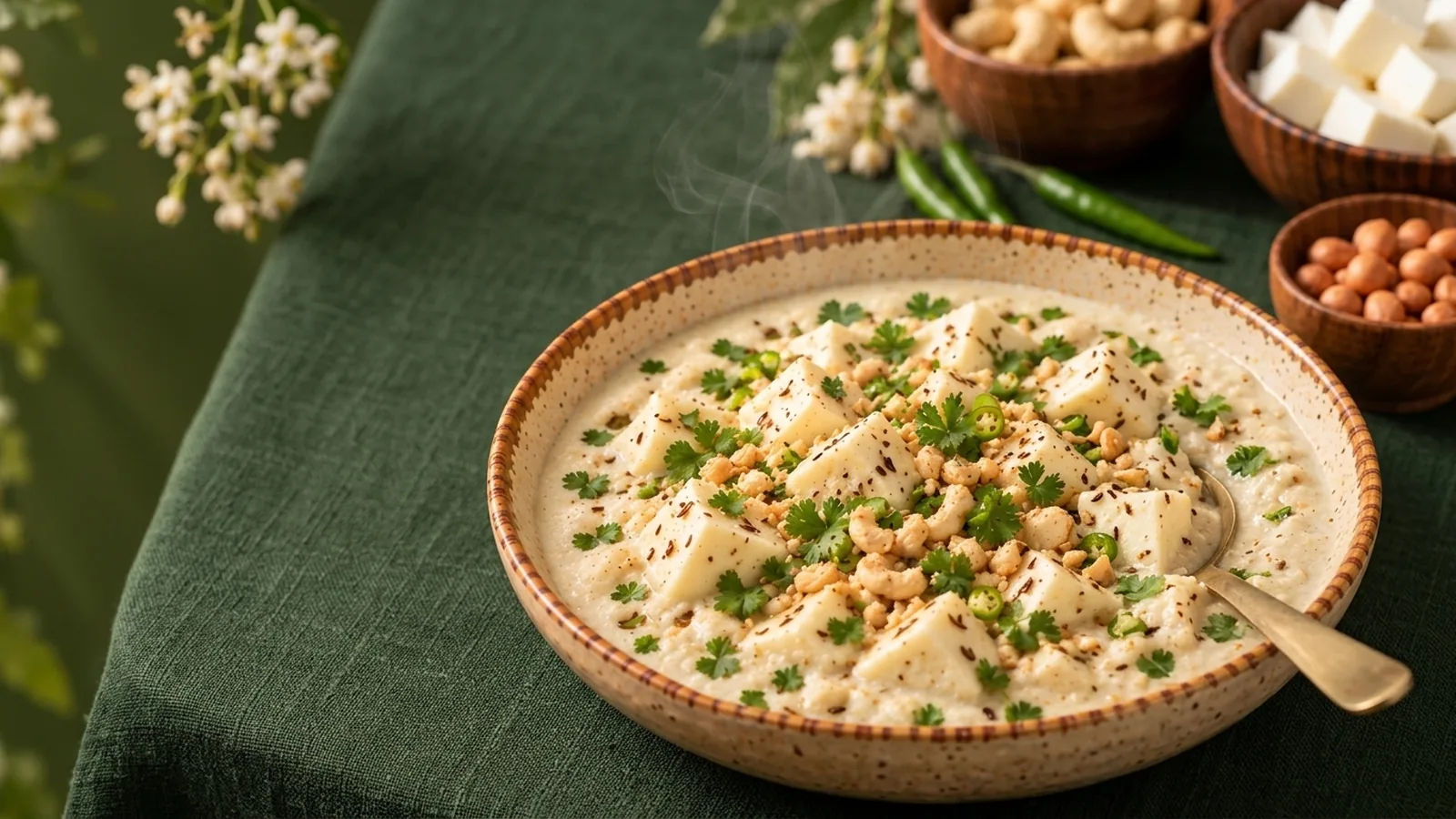
Serve warm with buckwheat flour rotis or steamed samak rice to complete the meal.
Serve this creamy dish hot alongside fresh buckwheat rotis or samak rice for a complete Navratri meal.
Good to Know
Nutrition values are approximate, per serving. IDYORA shares general wellness information — not medical advice.
Watch the Recipe
Key moments and transcriptStep by Step Instructions
-
Prepare the Nut Paste
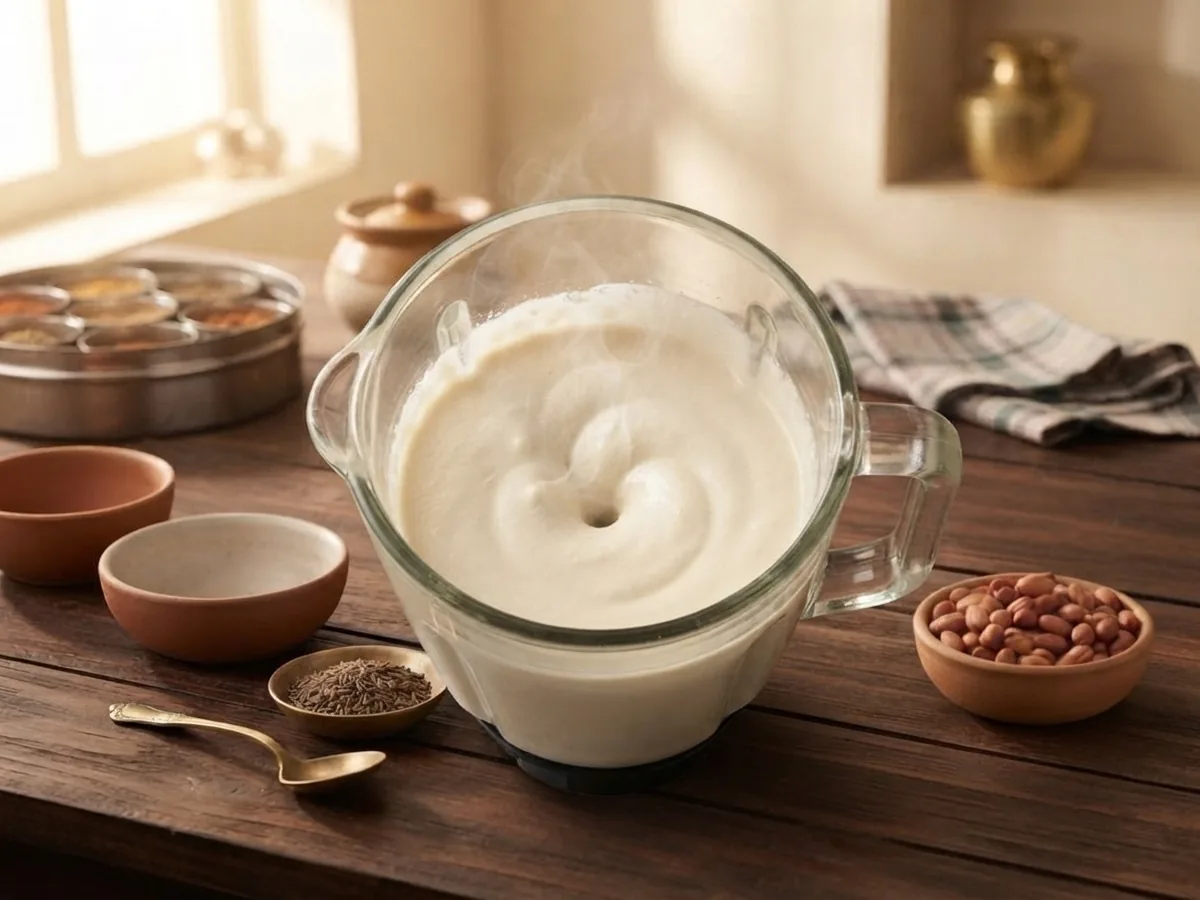
Combine the ½ cup soaked cashews, ¼ cup roasted peanuts, and 2 chopped green chillies in a blender with a splash of water. Blend until you achieve a smooth, creamy consistency.
Done when: The mixture should look like a thick, smooth cream with no visible nut chunks. Do not over-blend or the oils will separate and the paste will become grainy.
10 mins hands-on prep
-
Sauté the Cumin
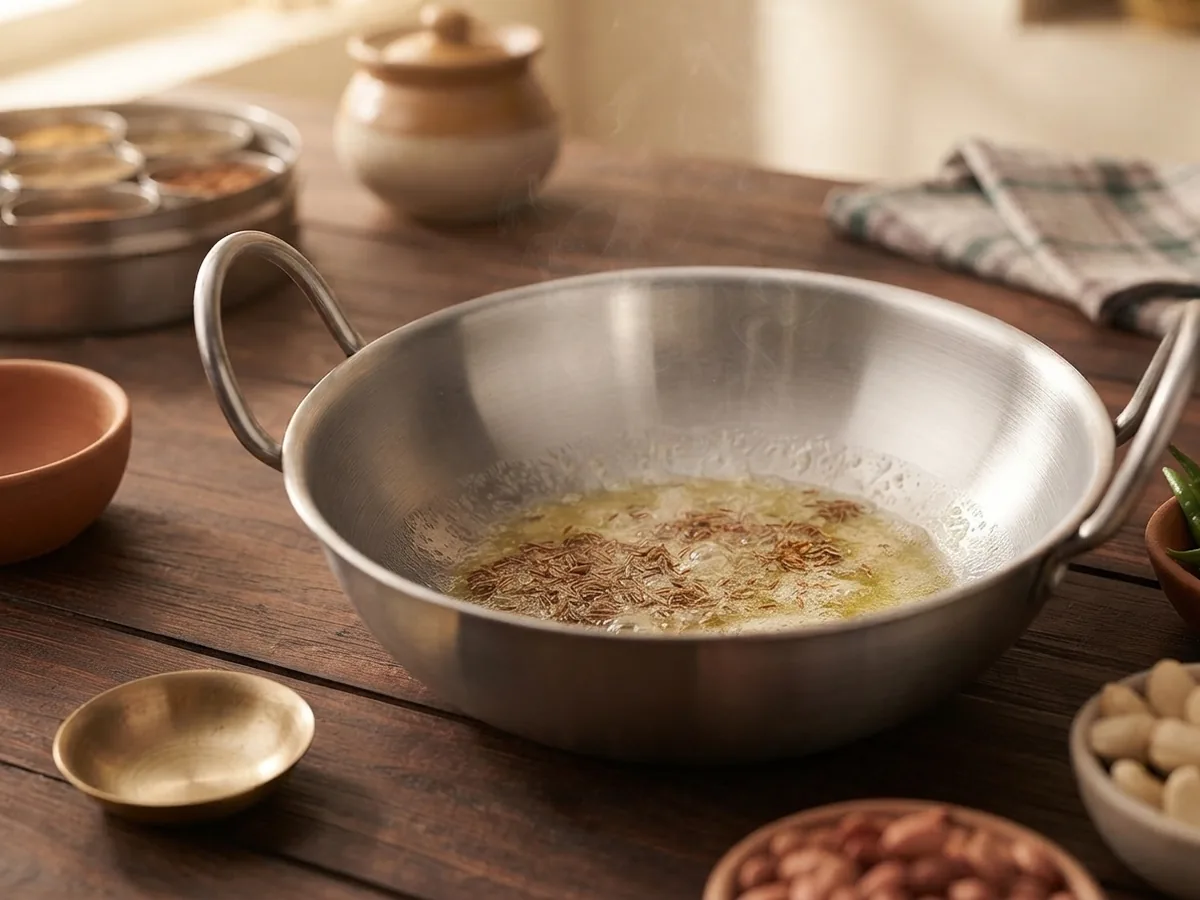
Heat 1 tbsp ghee in a heavy-bottomed pan over medium heat. Add 1 tsp cumin and let it sizzle until the seeds darken slightly and become aromatic.
Done when: The cumin seeds should sizzle immediately upon hitting the ghee and turn a shade darker. If they stay pale, the ghee is not hot enough, which will leave the dish lacking that toasted, nutty aroma.
2 mins hands-on
-
Simmer the Gravy
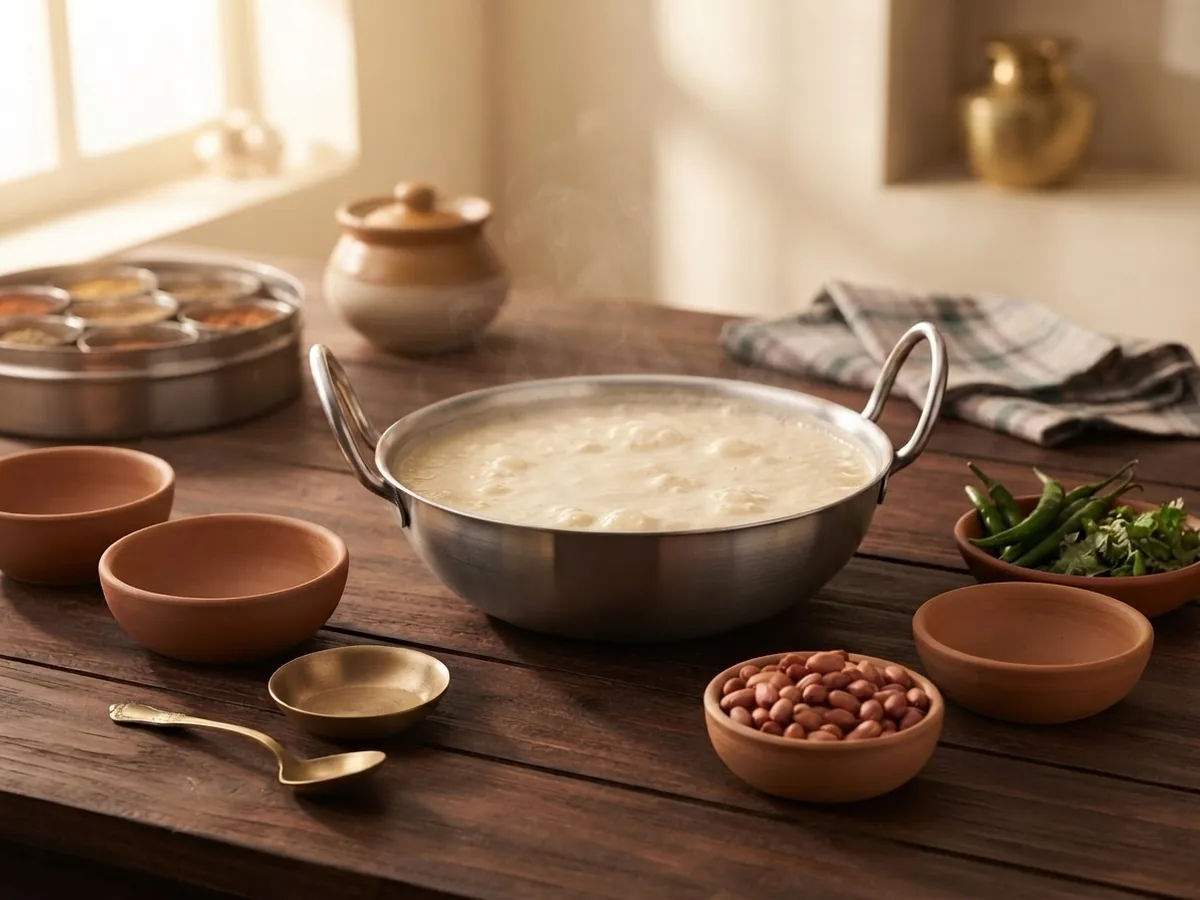
Pour the nut paste and ½ cup water into the pan. Add 1 tsp rock salt, stir well, and simmer on medium-low heat for about 5 minutes until the gravy thickens and coats the back of a spoon.
Done when: The gravy should bubble gently and cling to the back of a spoon without running off instantly. Avoid high heat here, as the nut paste can catch and burn on the bottom of the pan.
7 mins hands-off
-
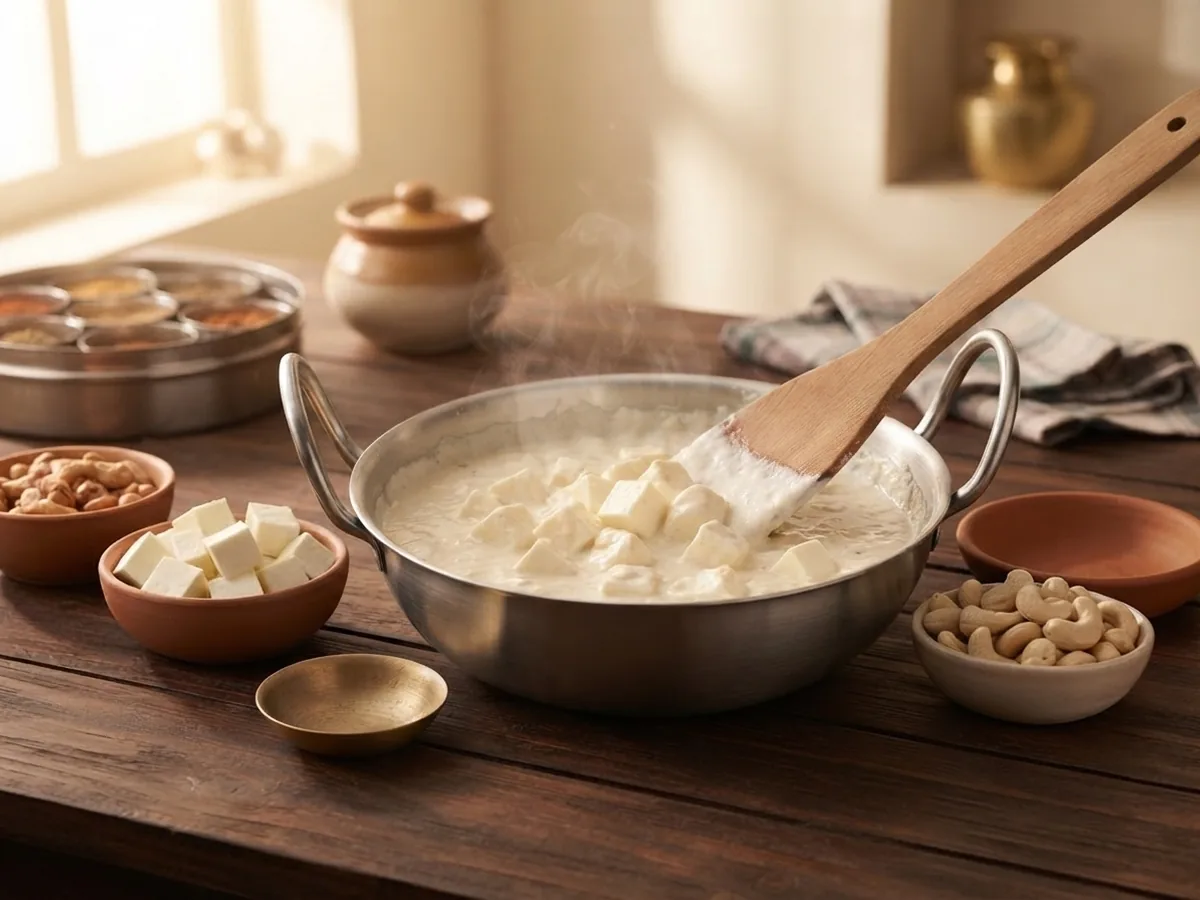
Add Paneer
Gently fold in 200 g cubed paneer. Cook on low heat for 3 minutes, stirring occasionally, until the paneer cubes are warmed through and look soft and slightly glossy from the sauce.
Done when: The paneer should feel soft to the touch and appear glossy from the sauce. Do not overcook the paneer, or it will turn rubbery and tough.
4 mins hands-on
-
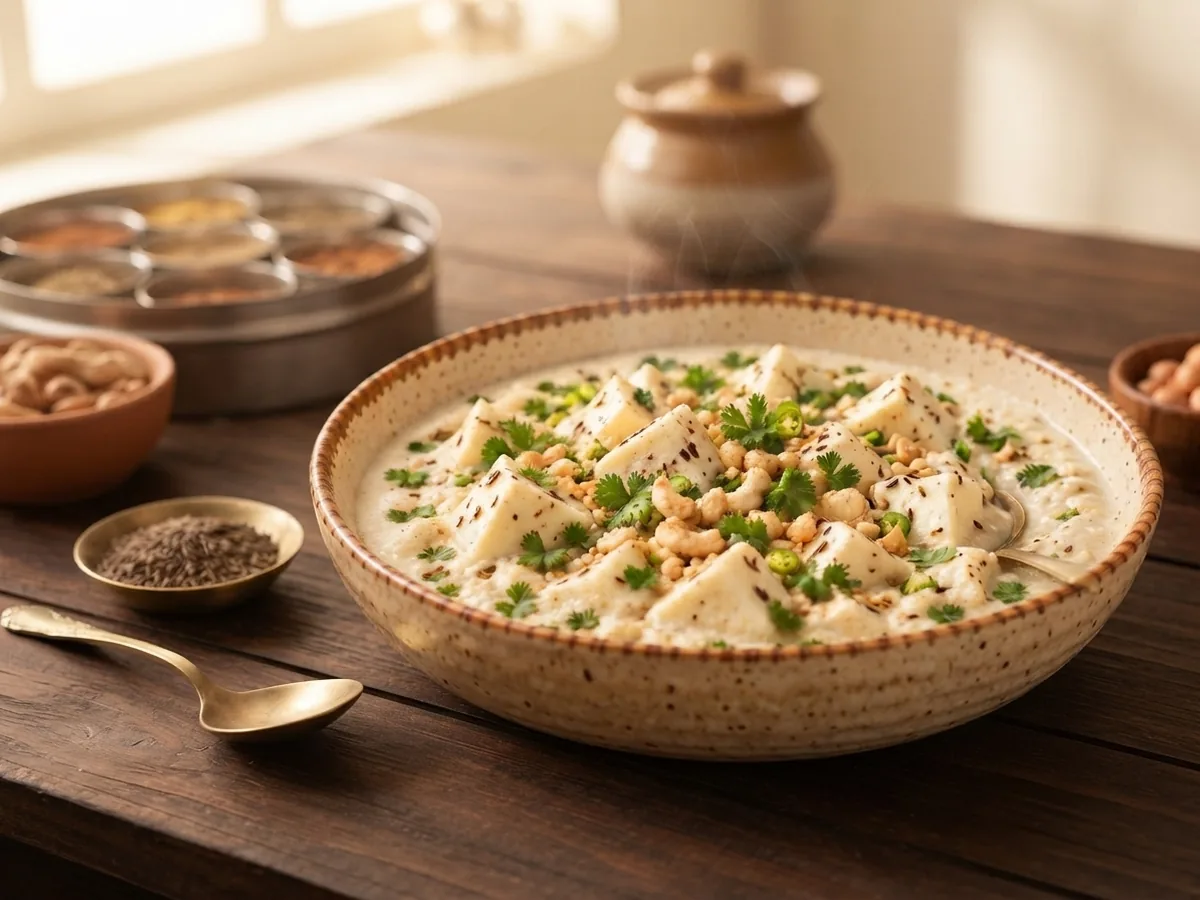
Garnish and Serve
Turn off the heat once the gravy reaches your desired consistency. Sprinkle 1 tbsp chopped coriander leaves over the top and serve immediately while hot.
Done when: The coriander should look vibrant green against the white gravy. Serve immediately while the sauce is silky, as it will thicken significantly as it cools.
2 mins hands-on
“Good food is a step towards a healthier, happier you.”
Enjoy!Made it? Rate it
Be the first to rate it
Why It's Good for You
Paneer is a traditional dairy product that is valued for its protein and fat content, making it a versatile component in vegetarian diets1. It is obtained through heat and acid coagulation of milk, which helps retain a portion of its natural nutrients2. When consumed as part of a balanced diet, paneer provides a source of protein and calcium1. Cashews are energy-dense and provide a concentrated source of nutrition, including unsaturated fats3,4. While they are high in energy, regular nut consumption has not been consistently linked with weight gain in various studies4. Peanuts are technically legumes and are noted for their protein content, which is plant-based, and their profile of unsaturated fats5. Including such ingredients in your meals can add variety and texture to your everyday cooking. As with any dietary changes, especially for those managing specific health conditions, it is best to plan your meals in consultation with your doctor or a registered dietitian.
Sources
5
- Paneer in everyday diet: Health impacts, risks, and best consumption practicesexa.ai, 2024
- Paneer—An Indian soft cheese variant: a review - PMCUS National Institutes of Health
- 11. CASHEW NUT NUTRITIONAL ASPECTS - B.K.Nandi[11]FAO
- The Metabolizable Energy and Lipid Bioaccessibility of Tree Nuts and Peanuts: A Systematic Review with Narrative Synthesis of Human and In Vitro StudiesUS National Institutes of Health, 2023
- Peanuts as functional food: a review - PMCUS National Institutes of Health